Why Is My Garage Door So Noisy?
A garage door should move with a low hum, not a grind, a squeak, a rattle or a bang. Each sound points at a different part, and the sound is the door telling the household what is wearing out. This guide explains what each noise means, what to check, and when the noise means the door should not be run.
Hours: Mon–Fri 7:00 AM–10:00 PM ET · Sat 8:00 AM–10:00 PM ET · Sun 7:00 AM–9:00 PM ET
Call now for garage door repair
Describe the door and the symptoms, and the visit will confirm what the door needs before any work starts.
Call NowServing Worcester and Worcester County, Massachusetts.
In short
A noisy garage door is usually caused by worn rollers, dry hinges, a rusted spring, a loose track bracket, or a chain-drive opener. Grinding points at rollers, squeaking at hinges and springs, rattling at loose hardware, and a single loud bang at a broken spring.
Grinding: the rollers
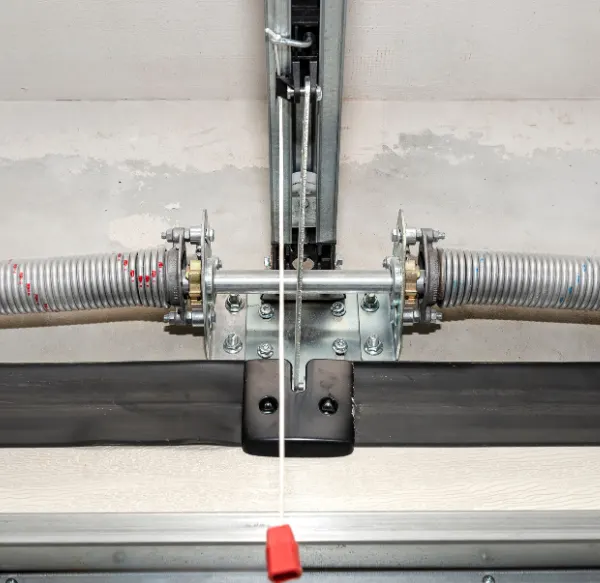
Grinding is the sound of worn rollers. A roller with a flat spot or a seized bearing drags through the track instead of rolling, and the door judders as it moves. The check is visual: look at the rollers for a flat spot on the wheel, a stem that wobbles, or a wheel that has cracked. Rollers are replaced as a set, not one at a time, because a door with one new roller and nine worn ones will still run rough, and the new roller will wear faster carrying more than its share. The tracks should be cleaned while the rollers are out, because dust and debris in the track wear new rollers out quickly — and the tracks should never be lubricated, because oil on the track makes the rollers slip and attracts more dust.
Squeaking: dry hinges and springs
Squeaking is the sound of dry metal: hinges, spring coils and roller bearings that have not been lubricated rub against each other, and the squeak gets louder in cold weather when the lubricant thickens. The fix is lubrication with proper lubricant on the spring coils, the hinges and the roller bearings — a few times a year, and before winter. Household oil is not the right lubricant, and silicone spray on the tracks is worse than nothing. If the squeak does not change after lubrication, the part is worn rather than dry: a hinge that has cracked, a spring that is rusted, or a roller bearing that has seized. A spring that groans or pops through its travel is telling the household that the coils are dry, rusted or fatigued, and it deserves a look before it becomes a break.
Rattling and banging: loose hardware and broken springs
Rattling is the sound of loose hardware: a track bracket that has worked loose, a hinge bolt that has backed out, or a chain that has stretched and slaps against its rail. The check is to look at the track brackets and the hinge bolts, and to tighten what has worked loose — and to check the chain tension on a chain-drive opener. Popping is the sound of a spring coil catching and releasing, or a cable winding unevenly on its drum. And a single loud bang is the sound of a torsion spring snapping — the one noise that means the door should not be run again until it is repaired, because the door is un-counterbalanced and the opener cannot lift it. A chain-drive opener is noisy by nature, and that is a feature of the type rather than a fault; a belt-drive opener is the quiet choice for a garage under a bedroom.
When noise means stop
Most noises are maintenance problems, but two mean the door should not be run again. The first is the loud bang of a broken spring. The second is a grinding that is getting worse by the day, or a door that catches and jerks at the same point every time: a roller is about to jump the track, or a track is bending, and the next cycle could be the one where the door comes off its tracks. In either case, stop, leave the door where it is, and call. The habit that prevents most of this is twice-yearly maintenance: a look, a listen, and lubrication of the moving parts. A door that is maintained is a quiet door, and a door that suddenly gets noisy is a door asking for attention — and the right time to answer is when the noise starts, not when the part fails.
Chain vs belt: the noise that is normal
Not every opener noise is a fault, and the drive type decides what is normal. A chain-drive opener is noisy by nature: the metal chain runs along a steel rail, and the sound is a low rattle that the household hears every time the door moves. It is the sound of the type, not a sign of failure, and the only fix for it is a different drive — a belt-drive opener, which replaces the chain with a rubber belt and runs noticeably quieter. A screw-drive opener sits in between: quieter than a chain, with a low hum from the threaded rod, and the noise that matters on a screw drive is a groan, which usually means the screw needs lubrication or its coupler is worn. The noises that are never normal, on any drive type, are the ones that change: a grind that was not there last week, a squeak that gets louder, a rattle that appears overnight. Those are the sounds of a part wearing out — a roller, a hinge, a spring — and they deserve a look. A household that knows what its opener is supposed to sound like can tell the difference between the normal sound of its drive and the new sound of a failing part, and that difference is the information that prevents an emergency.
Related services and guides
Noisy Garage Door
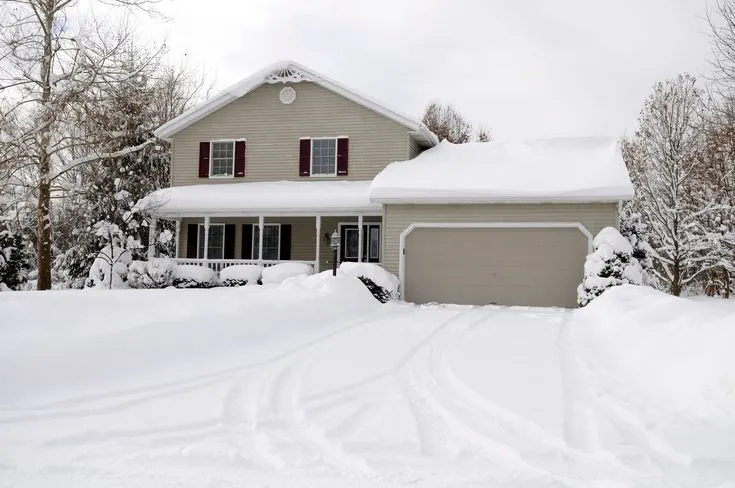
Noisy garage door in Worcester, MA? Grinding, squeaking, rattling and banging each point at a different part — rollers,
Garage Door Track & Roller Repair
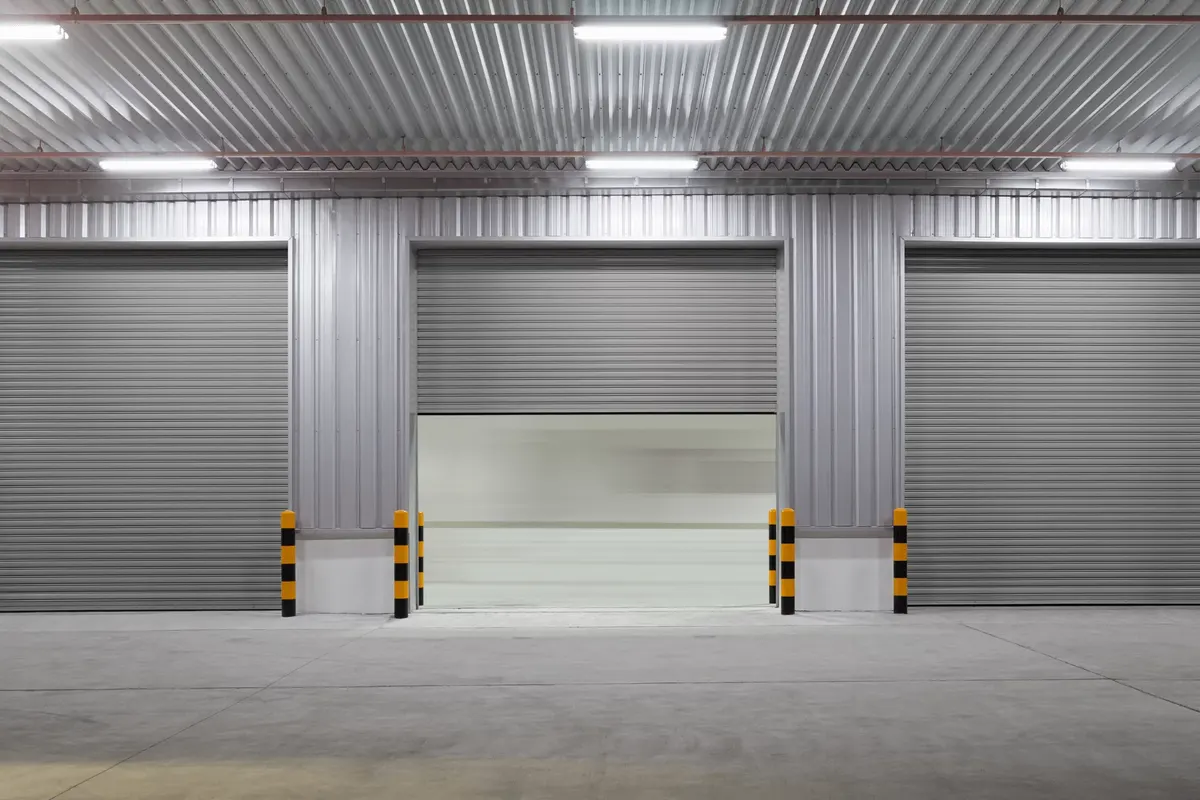
Garage door track and roller repair in Worcester, MA for doors that grind, jerk, bind or run crooked. Bent tracks, worn
Garage Door Opener Repair
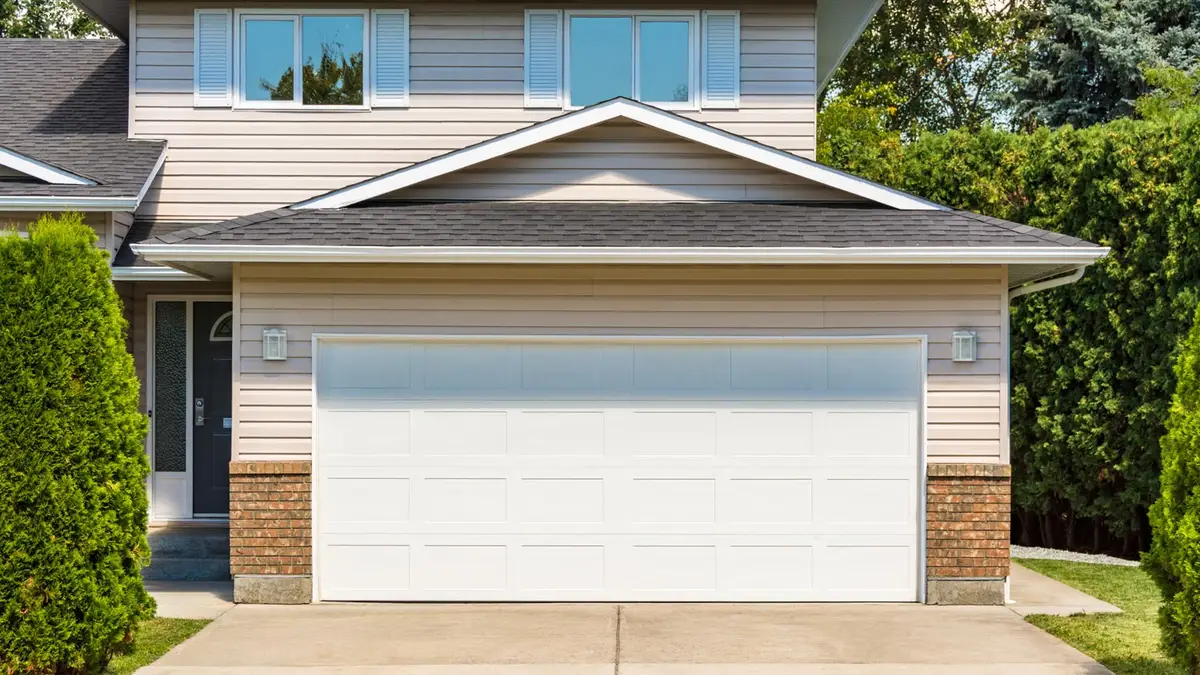
Garage door opener repair in Worcester, MA for openers that hum, click, reverse, or stop responding. Diagnosis at the mo
Broken Garage Door Spring Repair
Broken garage door spring repair in Worcester, MA. Learn the signs of a snapped torsion or extension spring, why the doo
Garage Door Won't Open
Garage door won't open in Worcester, MA? Learn the checks that separate a door problem from an opener problem, and what
Frequently asked questions
Worn rollers are the usual cause: a roller with a flat spot or a seized bearing drags through the track instead of rolling. Look at the rollers for a flat spot or a wobble, and at the tracks for a bend or a loose bracket.
Cold thickens lubricant and contracts metal, so dry hinges, spring coils and roller bearings squeak more in winter. Lubricating the moving parts before the cold season is the fix — and never lubricate the tracks themselves.
Usually it is a maintenance problem. But a loud bang means a broken spring and the door should not be run, and a grinding that gets worse by the day can mean a roller about to jump the track. Both are reasons to stop and call.
Lubricate the spring coils, hinges and roller bearings with proper lubricant, tighten any loose hinge bolts, and keep the tracks clean and dry. If the noise stays, the rollers or hinges are worn and need replacing as a set.
Call now for garage door repair in Worcester, MA
Describe the door and the symptoms, and the visit will confirm what the door needs before any work starts.
Call NowContact
Call to describe the door and the symptoms, and the visit will confirm what the door needs before any work starts. Hours: Monday to Friday 7:00 AM to 10:00 PM ET, Saturday 8:00 AM to 10:00 PM ET, Sunday 7:00 AM to 9:00 PM ET.
hello@worcestergaragedoorpros.com · Serving Worcester and Worcester County, Massachusetts.
Call Now