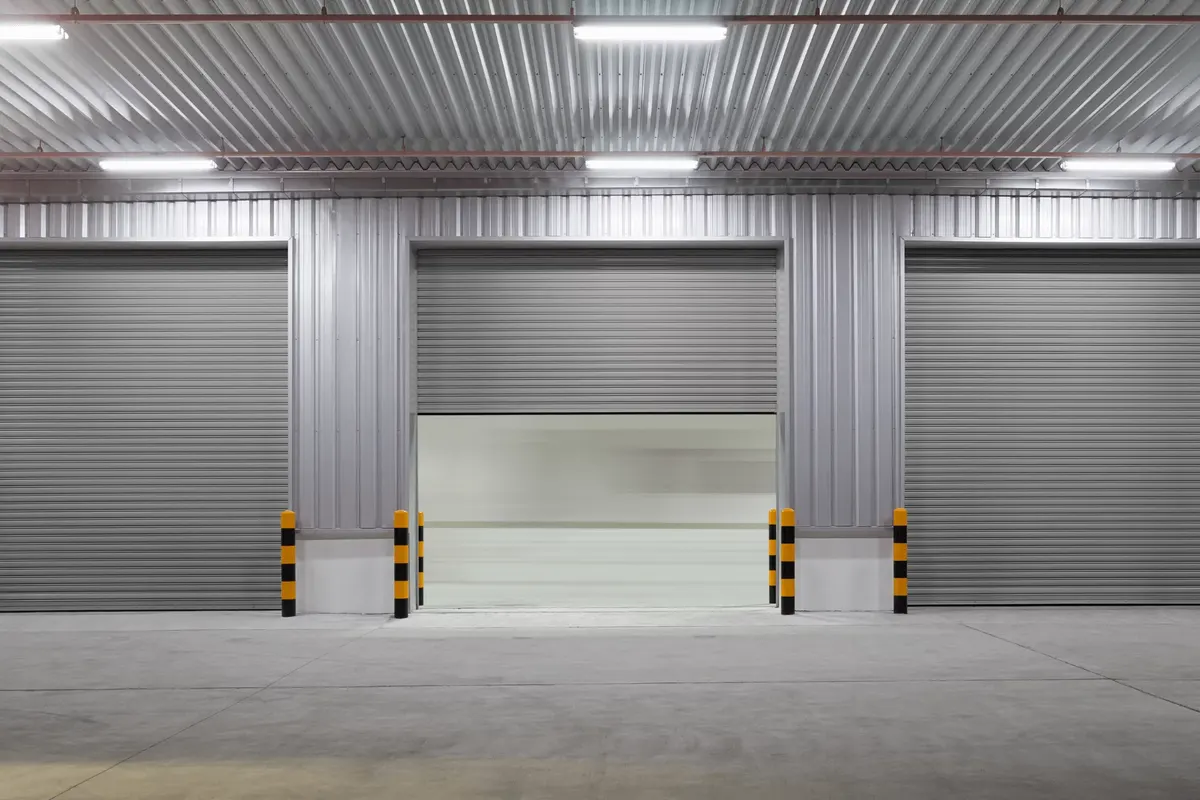
Garage Door Track & Roller Repair in Worcester, MA
The tracks and rollers are the parts that decide whether a garage door moves smoothly or grinds, jerks and binds. A bent track, a worn roller or a cracked hinge makes the door run crooked, and a crooked door wears out its springs, cables and opener faster. This page explains what goes wrong in the track system and what a proper repair includes.
Hours: Mon–Fri 7:00 AM–10:00 PM ET · Sat 8:00 AM–10:00 PM ET · Sun 7:00 AM–9:00 PM ET
Call now for garage door repair
Describe the door and the symptoms, and the visit will confirm what the door needs before any work starts.
Call NowServing Worcester and Worcester County, Massachusetts.
In short
Garage door track and roller repair means straightening or replacing a bent track section, replacing worn or broken rollers, and replacing cracked hinges, then realigning the tracks so the door runs evenly on both sides. The door is rebalanced, the springs and cables are checked, and the door is tested through full cycles.
What the tracks and rollers do
The track system is the road the door travels on. Two vertical tracks run up either side of the opening, curve at the top, and continue as horizontal tracks into the garage. The rollers — small wheels on steel stems, fitted to the hinges on each section — run inside those tracks, and they are what let a heavy steel door move smoothly with very little friction. The hinges connect the sections to each other and carry the rollers, so the door can fold around the curve at the top without binding. It is a simple system, and it only works when everything is aligned: the tracks parallel, the rollers round, the hinges solid.
When any part of it goes wrong, the whole door feels it. A bent track makes the rollers bind at the bend. A worn roller makes the door judder and squeak. A cracked hinge lets a section flex, so the rollers on that section run at an angle and wear faster. And because the door is heavy, a small misalignment becomes a large force: a door running crooked puts uneven load on the springs and cables, strains the opener, and wears the track further. The track system is also the part of the door that takes the hits — a car bumper, a ladder, a bike — and a track that has been bent by an impact will not straighten itself. The repair is to restore the alignment, not to force the door past it.
Signs the tracks or rollers need attention
The signs are in how the door moves and sounds. A door that grinds, squeaks or rattles on its way up has worn rollers or dry bearings. A door that jerks or catches at the same point every time has a bent track or a flat-spotted roller at that height — often at the curve where the vertical track meets the horizontal. A door that runs crooked, one side ahead of the other, has a track that is out of alignment or a roller that has left the track. A door that will not close fully, or that reverses halfway, may be binding in its tracks rather than suffering an opener fault.
The visual signs are worth a look too. Stand inside the garage and look at the tracks on both sides: they should be straight, parallel, and firmly bolted to the framing. A track that bows outward, a bracket that has pulled away from the wall, or a gap between the track and the roller are all signs of trouble. Look at the rollers: a healthy roller is round and turns freely, while a worn one is flat on one side, wobbles on its stem, or has a cracked wheel. Look at the hinges: a cracked hinge, or one with a bolt working loose, lets the section flex. Any of these signs means the track system needs attention before the door is run again, because each cycle with a bent track or a worn roller makes the damage worse.
Bent tracks: what causes them and how they are fixed
Tracks bend for a few reasons, and the cause decides the fix. The most common is an impact — a car bumper, a ladder, or a heavy object striking the track near the floor, where the vertical track is most exposed. The second is the door itself: a door that has been running crooked because of a broken spring or a snapped cable will push its rollers against the track unevenly, and over time the track bends at the point of greatest force. The third is the framing: Worcester's older garages shift with the house, and a track bolted to framing that has moved will be pulled out of alignment even though nothing hit it.
A slightly bent track can sometimes be straightened in place, with the door secured and the bend worked back carefully — but only if the metal has not creased. A creased track, a track bent at the curve, or a track that has been bent more than once should be replaced, because the metal has been weakened and will bend again. Replacement means the damaged section of track is removed and a new section is fitted, aligned with the rest of the track, and bolted firmly to the framing. The door is then run through full cycles to confirm the rollers pass the repaired section smoothly, and the balance is checked, because a bent track is often the result of an unbalanced door, and the imbalance should be fixed too.
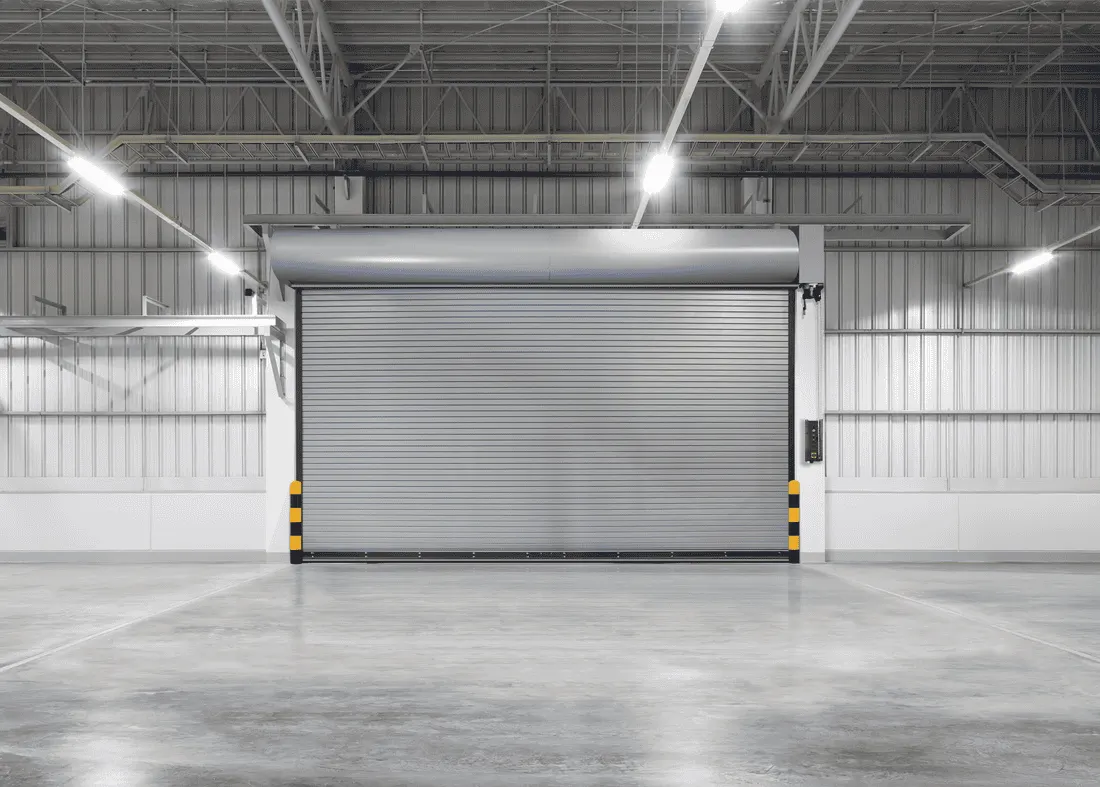
Worn rollers: the small part that makes the biggest noise
Rollers are the smallest wearing part on a garage door, and they make the biggest difference to how the door sounds and feels. A standard roller is a steel wheel on a steel stem, running in a ball bearing; a nylon roller is quieter and does not need lubrication, but it wears faster under a heavy door. Either way, the roller wears: the wheel develops a flat spot, the bearing dries out and seizes, or the stem bends. A worn roller makes the door grind, judder and squeak, and it puts extra load on the hinges and the opener.
Roller replacement is a straightforward visit, but it has a detail that matters: the rollers should be replaced as a set, not one at a time. A door with one new roller and nine worn ones will still run rough, and the new roller will wear faster because it is carrying more than its share. The visit should also check the hinges, because a worn roller and a cracked hinge often arrive together — the hinge flexes, the roller runs at an angle, and both wear faster. And the tracks should be cleaned while the rollers are out, because dust and debris in the track wear new rollers out quickly. A door with fresh rollers, clean tracks and sound hinges is a door that moves quietly and smoothly, and the difference is obvious from the first cycle.
Hinges: the part that holds the door together
The hinges do two jobs: they connect the sections to each other so the door can fold around the curve, and they carry the rollers that run in the tracks. A cracked hinge lets a section flex, and a flexing section makes the rollers run at an angle, which wears the rollers, the track and the hinge itself faster. A hinge with a bolt working loose is the early stage of the same failure: the section moves a little more each cycle, and the play grows until the hinge cracks.
Hinges are graded by position — the hinges at the ends of the door carry the rollers and are numbered by the section they serve — and the replacement must match the position, because the roller stem sits at a different angle on each section. The visit should check every hinge, not just the one that is visibly cracked, because the hinges wear together and a door with one cracked hinge usually has others that are close. The bolts should be tightened and the hinges lubricated while the door is apart, and the door should be rebalanced after the work, because a door that was running with a flexing section has been wearing its springs and cables unevenly. Hinges are cheap parts, but they hold the door together, and a door with sound hinges is a door that will not jam.
When the door comes off its tracks
A door off its tracks is the track system's emergency, and it usually starts small. A roller wears, a hinge cracks, a track bracket loosens, and the door runs a little crooked for weeks before the roller finally jumps the track — often with a bang, and often while the door is moving. The door then hangs crooked in its frame, jammed at an angle, and it cannot be opened or closed without making it worse. The first response is to stop: do not run the opener, do not try to lift the door by hand, and do not try to push the roller back into the track. A door off its tracks is held by its springs and cables at an angle they were not designed for, and it can drop.
The repair is to secure the door, release the tension in the system, reseat the rollers in the tracks, and then find and fix the cause — the worn roller, the cracked hinge, the bent track, or the loose bracket that let the roller jump in the first place. Reseating the roller without fixing the cause means the door will come off its tracks again, usually soon. The visit should also check the springs and cables, because a door that came off its tracks has put uneven load on both, and the balance should be checked by hand before the opener is reconnected. A door that has come off its tracks is a door that needs a system repair, not a single part.
Keeping tracks and rollers in good shape
The maintenance for tracks and rollers is simple and cheap, and it is the maintenance most households skip. Twice a year, look at the tracks on both sides for bends, loose brackets and gaps, and look at the rollers for flat spots, wobble and cracked wheels. Clean the tracks with a damp cloth — dust and debris in the track wear rollers out, and the tracks should never be lubricated, because oil on the track makes the rollers slip and attracts more dust. Lubricate the roller bearings, the hinges and the spring coils with proper lubricant a few times a year, and tighten any hinge bolt that has worked loose.
The balance check is the habit that ties it together: lift the door by hand to waist height and see whether it stays put. A balanced door puts equal load on both tracks and both sets of rollers, so they wear evenly. A door that drifts up or falls down is wearing one side faster, and the springs need attention before the track system pays for it. And when the door starts making a new sound — a grind, a squeak, a rattle — treat it as information, not as a quirk. The track system tells the household when it needs attention, and a roller replaced when it starts to grind is a cheap repair. A roller ignored until it jumps the track is an emergency.
Track alignment: the measurement that matters
The track system only works when it is aligned, and alignment is a measurement, not a guess. The two vertical tracks must be parallel to each other and plumb — straight up and down — and the horizontal tracks must be level and at the same height on both sides. A track that is out by even a small amount makes the rollers bind, and a door that binds wears its rollers, hinges, springs and opener faster. The check is simple: a level against the vertical track, a tape measure between the tracks at the top and the bottom, and a look at whether the rollers sit evenly in the track on both sides. A track that bows outward, a bracket that has pulled away from the wall, or a gap between the track and the roller are all signs that the alignment has gone.
The causes of misalignment are the same as the causes of track damage: an impact, a door running crooked because of a broken spring or a snapped cable, or framing that has shifted with the house. Worcester's older garages are the ones where framing shift matters most — a track bolted to framing that has moved will be pulled out of alignment even though nothing hit it. The repair is to loosen the track brackets, realign the track, and refasten it firmly to sound framing — and if the framing itself has moved, the bracket may need a new fixing point. The door is then run through full cycles to confirm the rollers pass smoothly, and the balance is checked, because a bent track is often the result of an unbalanced door, and the imbalance should be fixed too. Alignment is the step that makes the rest of the repair last.
Problem to solution
Problem
The track system is the road the door travels on. Two vertical tracks run up either side of the opening, curve at the top, and continue as horizontal tracks into the garage. The rollers — small wheels on steel stems, fitted to the hinges on each section — run
Solution
Garage door track and roller repair means straightening or replacing a bent track section, replacing worn or broken rollers, and replacing cracked hinges, then realigning the tracks so the door runs evenly on both sides. The door is rebalanced, the springs and
What happens on a garage door repair visit
Describe the door and the symptoms — what happened, when, and what the springs and cables look like.
The visit checks the whole door system and names the failed part before any work starts.
The failed part is repaired or replaced, matched to the door, and the door is rebalanced by hand.
Full open and close cycles, balance checked, safety reverse tested — the door proves it works.
Related services and guides
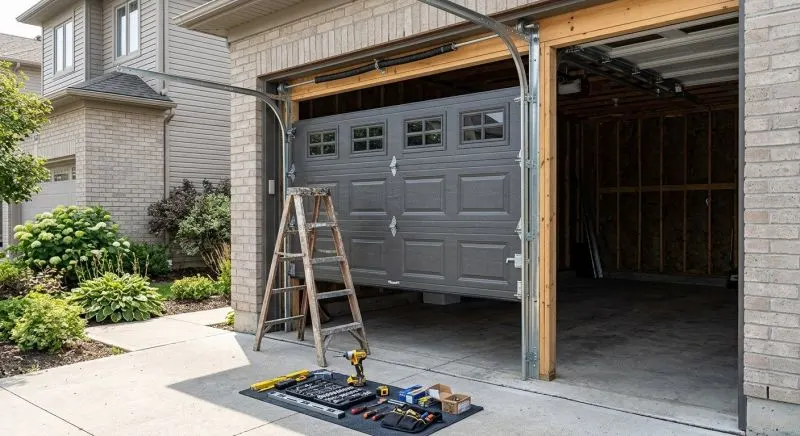
Garage Door Won't Open
Garage door won't open in Worcester, MA? Learn the checks that separate a door problem from an opener problem, and what
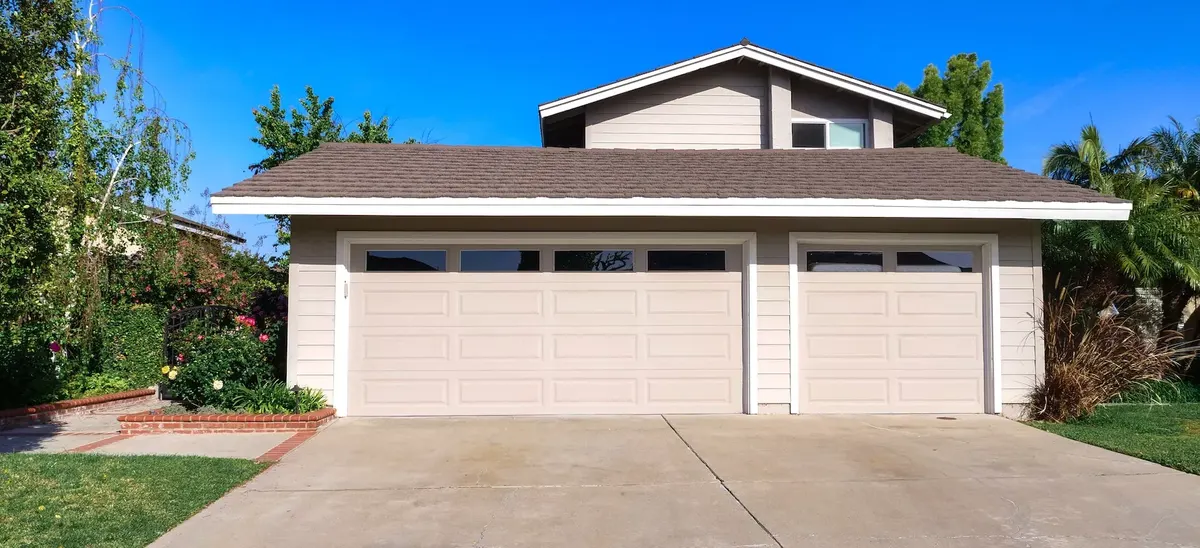
Garage Door Cable Replacement
Garage door cable replacement in Worcester, MA for snapped, frayed or slipped lift cables. The door is rebalanced and te
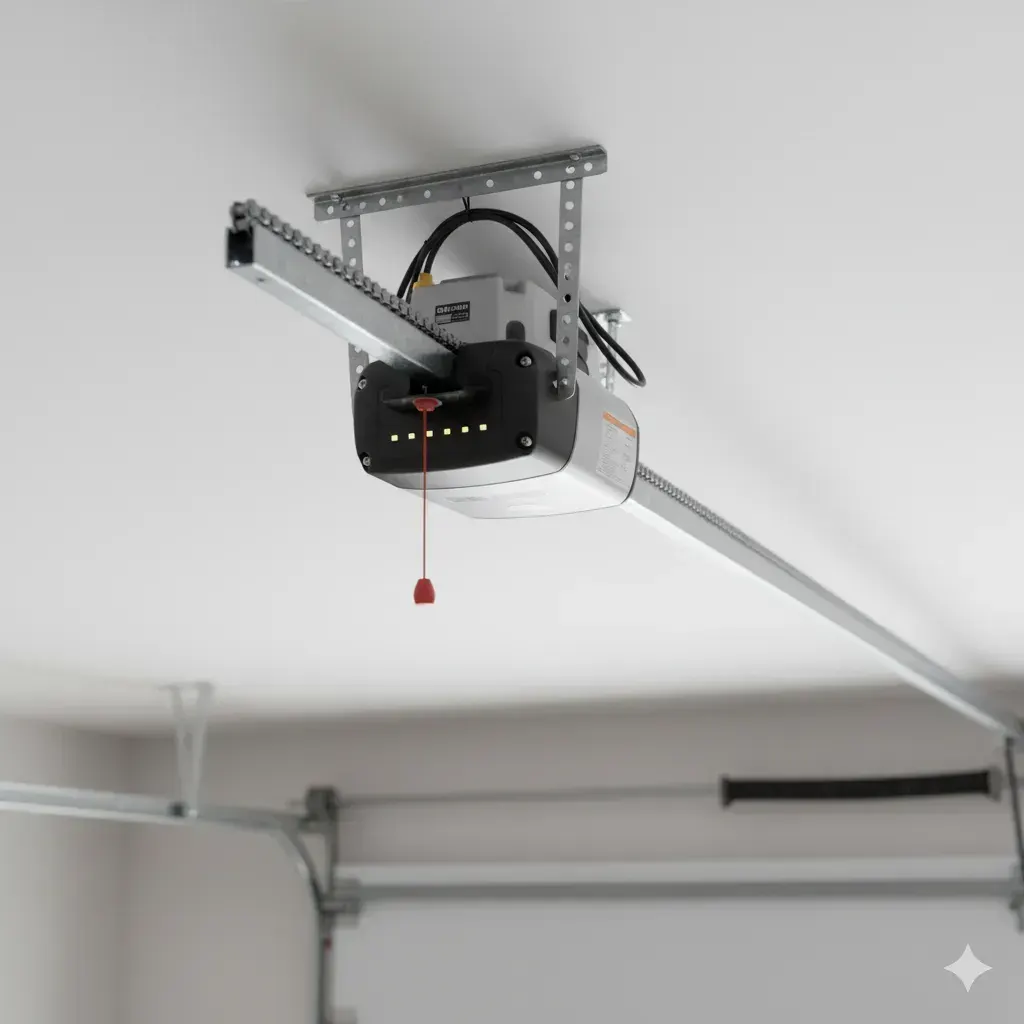
Emergency Garage Door Repair
Emergency garage door repair in Worcester, MA for doors that will not open, will not close, or are stuck open. Call now
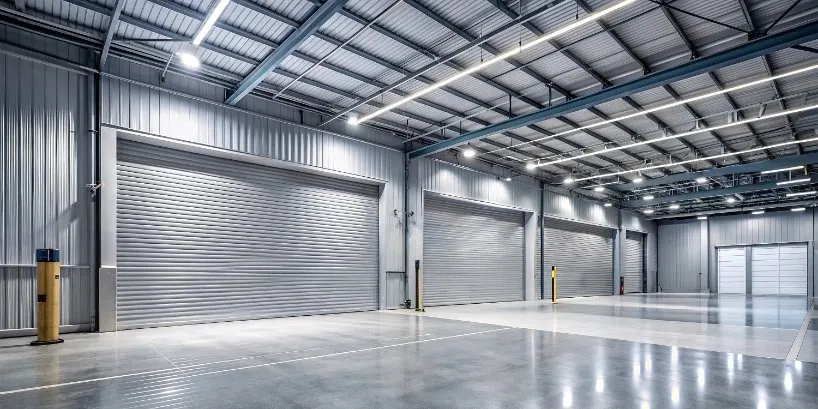
Garage Door Panel Replacement
Garage door panel replacement in Worcester, MA for dented, cracked or rusted sections. One section or the full door — th
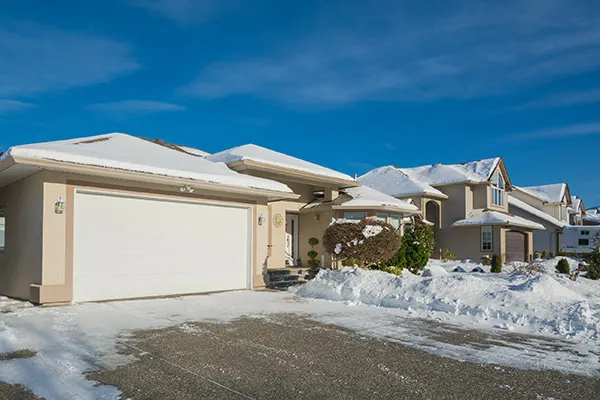
Garage Door Off Track
Garage door off track in Worcester, MA? Learn why rollers jump the track, what not to do, and how a repair visit reseats
Frequently asked questions
Worn rollers, a bent track, or a cracked hinge are the usual causes. Look at the tracks for a bend or a loose bracket, and at the rollers for a flat spot or a wobble. A door that catches at the same height every time is binding at that point in the track.
A slight bend in straight metal can sometimes be worked back in place, but a creased track, a track bent at the curve, or one that has been bent before should be replaced — the metal has been weakened and will bend again.
When they show wear: a flat spot on the wheel, a wobbling stem, a seized bearing, or a door that grinds and jerks. Rollers are replaced as a set, not one at a time, so the door runs evenly on both sides.
Usually a worn roller, a cracked hinge, a bent track or a loose bracket let the door run crooked until a roller jumped the track. The repair is to reseat the rollers and fix the cause — reseating alone means it will happen again.
No. The tracks should be kept clean and dry — oil on the track makes the rollers slip and attracts dust. Lubricate the roller bearings, the hinges and the spring coils, not the tracks.
It means the section is flexing every cycle, which wears the rollers, the track and the hinge itself faster. Hinges are checked as a set, because they wear together, and the replacement must match the hinge's position on the door.
Call now for garage door repair in Worcester, MA
Describe the door and the symptoms, and the visit will confirm what the door needs before any work starts.
Call NowContact
Call to describe the door and the symptoms, and the visit will confirm what the door needs before any work starts. Hours: Monday to Friday 7:00 AM to 10:00 PM ET, Saturday 8:00 AM to 10:00 PM ET, Sunday 7:00 AM to 9:00 PM ET.
hello@worcestergaragedoorpros.com · Serving Worcester and Worcester County, Massachusetts.
Call Now