Garage Door Panel Replacement in Worcester, MA
A dented, cracked or rusted garage door panel is more than a cosmetic problem: the panels carry the opener bracket, hold the hinges, and keep weather out of the garage. A damaged panel can also be the reason the door runs crooked or the opener strains. This page explains when one section can be replaced, when the whole door is the honest answer, and what the visit includes.
Hours: Mon–Fri 7:00 AM–10:00 PM ET · Sat 8:00 AM–10:00 PM ET · Sun 7:00 AM–9:00 PM ET
Call now for garage door repair
Describe the door and the symptoms, and the visit will confirm what the door needs before any work starts.
Call NowServing Worcester and Worcester County, Massachusetts.
In short
Garage door panel replacement means removing the damaged section and fitting a new section matched to the door's size, material and style. It works when the rest of the door — tracks, rollers, springs and the remaining sections — is sound. When several sections are damaged, the tracks are bent, or the top section is cracked where the opener bracket pulls, a full door replacement is usually the better answer.
How panels get damaged in Worcester
Panels are damaged in a few familiar ways, and Worcester's winters and older garages add their own. The most common is the car: a bumper nudging the door while parking, a door closing on a bike or a ladder left in the way, a reversing car catching the bottom section. The damage is usually a dent or a crease in one section, and the door still moves — but the dent can bind the section against the track, and a creased panel flexes every cycle, which wears the hinges faster. The second cause is weather: a bottom section that sits in snowmelt and road salt rusts from the bottom edge up, and a steel door that was never repainted after a scratch rusts from the scratch outward.
The third cause is the opener itself. The opener bracket is bolted to the top section, and every cycle pulls on that section. If the bracket was fitted to a section that was already weakened, or if the opener's force setting was turned up to push a stiff door, the top section can crack around the bracket — and a cracked top section is a safety problem, not a cosmetic one, because the bracket can tear out and the opener will pull the door apart. The fourth cause is age: a door that has been in place for decades has panels that have been flexed thousands of times, and the hinges and the sections wear together. A panel that is damaged is worth a look at the whole door, because the damage is often the visible part of a wider wear pattern.
When one section can be replaced
A single section can be replaced when the damage is limited to that section and the rest of the door is sound. The test is practical: the tracks are straight, the rollers run freely, the springs balance the door, the hinges are solid, and the other sections are undamaged and unrusted. The replacement section must match the door — the same width, the same height, the same material and the same style — because a section that does not match will not sit flush, will not seal, and will flex differently from its neighbours. On a door whose manufacturer and model are still available, matching is straightforward. On an older door, the match may need a section from the same manufacturer, or the same profile from another maker.
The visit that replaces a section also checks the parts that connect to it. The hinges between the old and new sections are inspected, because a hinge that was flexing with the damaged section will flex with the new one. The rollers on the new section are checked, and the door is rebalanced, because a new section can weigh slightly differently from the old one. The door is then run through full cycles to confirm the new section moves smoothly through the curve of the track and seals at the bottom. A single-section replacement done well is invisible: the door moves evenly, closes fully, and the new section looks like it was always there.
When the whole door is the honest answer
There are three situations where replacing the whole door is the honest answer, and a good visit says so plainly. The first is multiple damaged sections: a door with two or three dented, cracked or rusted sections has damage across its structure, and replacing each one costs more than a new door while leaving the oldest parts — the tracks, the rollers, the springs — still old. The second is a cracked top section where the opener bracket pulls: the bracket can tear out of a weakened section, and a new section at the top does not fix the fact that the door's structure has been stressed at its most loaded point. The third is a door whose tracks are bent, whose bottom section has rusted through, or whose panels are no longer made — a door that cannot be matched, or cannot be made reliable by replacing one part.
The decision should be visible on the door itself. The technician should be able to point at the damage — the crack around the bracket, the rust through the bottom edge, the bend in the track — and explain why a section will not fix it. What the visit should never do is replace a whole door because one section is dented, or replace a section three times on a door whose tracks are bent. The diagnosis comes first, and the recommendation follows the door. A new door is also the moment to look at insulation, the opener, and the weather seal as a system, because a new door on old tracks and a tired opener is a new door that will not last as long as it should.
Steel, wood and other panel materials
Most Worcester garage doors are steel, and steel is the material that panel replacement is simplest for: sections are standard sizes, the profiles are consistent, and a matching section is usually available. Steel panels dent rather than crack, which is why a single-section replacement works well on a steel door — the damage is contained in the section, and the rest of the door is unaffected. The weakness of steel is rust, and a steel door that has rusted through at the bottom edge or around the hinges is a door whose structure is going, not just its surface. A rusted section can be replaced, but the rust on the neighbouring sections should be checked too, because rust spreads along the bottom of the door.
Wood doors are different: they are heavier, they swell and shrink with damp, and they are often found on Worcester's older homes and carriage-house conversions. A wood section that is rotted or split is usually a sign of water getting in, and the repair is the section plus the source of the water — a failed seal, a gutter dripping onto the door, a grade that slopes toward the garage. Wood sections are also harder to match, because the profile and the finish are specific to the door. Aluminium and fibreglass doors are lighter and do not rust, but they dent more easily and the sections are less standard. Whatever the material, the principle is the same: match the section, check the structure around it, and rebalance the door after the work.
What the panel replacement visit includes
The visit starts with the door as a system, not with the damaged section. The technician checks the tracks for bends, the rollers for wear, the hinges for cracks, the springs for balance, and the remaining sections for rust and damage — because the decision between one section and a whole door depends on the whole door, not on the dent. The damaged section is then removed: the hinges are unbolted, the rollers are freed from the tracks, and the section is lifted out. The new section is fitted in its place, the hinges are reconnected, the rollers are seated in the tracks, and the door is rebalanced by hand.
The opener bracket gets particular attention if the damaged section is the top one, because the bracket is what the opener pulls on. If the bracket was pulling on a weakened section, the new section should carry a reinforcement plate so the load is spread across the panel rather than concentrated on the bolts. The weather seal is checked at the same time, because a new section that does not seal at the bottom or at the sides lets in the same snowmelt and damp that damaged the old one. The door is then run through full cycles, the safety reverse is tested, and the visit ends when the door moves evenly, closes fully, and the new section is indistinguishable from its neighbours in how it moves.
Matching the new section to the old door
The match is more than the size. A replacement section must match the door's width and height, its material, its profile — the raised panels, the grooves, the window pattern — and its finish, or the repair will be visible from the street and the section will not seal properly. On a door whose manufacturer is still in business, the match is a matter of ordering the right section. On a door that is twenty years old or more, the manufacturer may have changed its profiles, and the match may need a section from a different maker with the same profile, or a section that is close enough that the difference is not visible from the driveway.
Colour is the part households notice most, and it is worth being honest about: a new section in a factory finish will match a door that has not faded, and will be slightly different from a door that has spent twenty years in the sun. A repaint of the whole door after the replacement is the way to make the match invisible, and it is also the moment to protect the steel with a fresh coat. The visit should set the expectation before the work starts: the section will match in size, profile and function, and the colour will be close, with a repaint as the way to make it exact. A household that knows that before the work starts is a household that is happy with the result.
Panel damage and the rest of the door
A damaged panel is often the visible part of a wider problem, and the visit should look for the rest of it. A dented bottom section often means the door has been hit while closing, which can bend the track at the same time — and a bent track will make the new section bind. A cracked top section often means the opener's force setting was too high, which means the opener needs its force reset after the repair. A rusted bottom section often means the seal has failed and meltwater is getting in, which means the seal needs replacing too. The panel is the symptom; the cause is usually nearby, and the visit that fixes the symptom without the cause is a visit that will be repeated.
The springs and cables deserve the same look. A door that has been running with a damaged panel has been running crooked, and a crooked door wears its springs, cables and rollers unevenly. The balance check after the replacement — the door holding steady at waist height when lifted by hand — is the test that shows whether the rest of the system is still sound. If the door does not balance, the springs or the cables need attention too, and the household should hear that before the visit ends, not a month later when the next part fails.
Panel replacement and insulation: doing both at once
A panel replacement is a natural moment to look at insulation, because the door is already apart and the household is already thinking about the door's condition. An uninsulated steel door is a sheet of cold metal between the garage and a New England winter, and it does very little to keep the garage — or the rooms above and beside it — warm. An insulated door, with polyurethane or polystyrene between steel skins, keeps the garage noticeably warmer, keeps the opener and the springs working in a narrower temperature range, and reduces the condensation that rusts springs, cables and tracks. For a garage with a room above it, or a garage used as a workspace, insulation is not a luxury; it is the difference between a usable room and a cold one.
The decision should follow the door's condition. If one section is being replaced and the rest of the door is sound, insulation can wait — the new section will match the old door, and the door will keep working. But if several sections are being replaced, or the door is being replaced outright, the insulation should be decided at the same time, because an insulated door is heavier than an uninsulated one and the springs must be matched to the new weight. A door that gets an insulated replacement without new springs will be heavy, and the opener will strain. And the seal matters as much as the insulation: a bottom seal, side seals and a top seal, fitted to the door and the opening, so the door closes against a continuous seal on all four sides. A panel replacement done well is invisible; a panel replacement that also fixes the insulation and the seals is a door that will keep the garage warmer for years.
Problem to solution
Problem
Panels are damaged in a few familiar ways, and Worcester's winters and older garages add their own. The most common is the car: a bumper nudging the door while parking, a door closing on a bike or a ladder left in the way, a reversing car catching the bottom s
Solution
Garage door panel replacement means removing the damaged section and fitting a new section matched to the door's size, material and style. It works when the rest of the door — tracks, rollers, springs and the remaining sections — is sound. When several section
What happens on a garage door repair visit
Describe the door and the symptoms — what happened, when, and what the springs and cables look like.
The visit checks the whole door system and names the failed part before any work starts.
The failed part is repaired or replaced, matched to the door, and the door is rebalanced by hand.
Full open and close cycles, balance checked, safety reverse tested — the door proves it works.
Related services and guides
Garage Door Installation
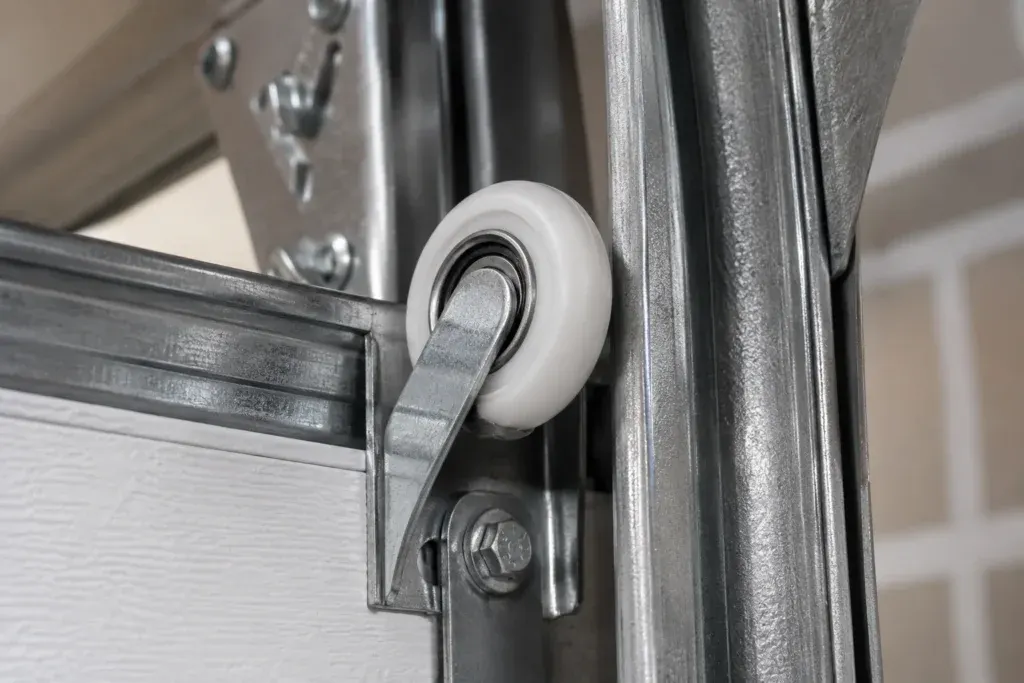
Garage door installation in Worcester, MA for new and replacement doors. Sizing, insulation, opener pairing and full saf
Garage Door Track & Roller Repair
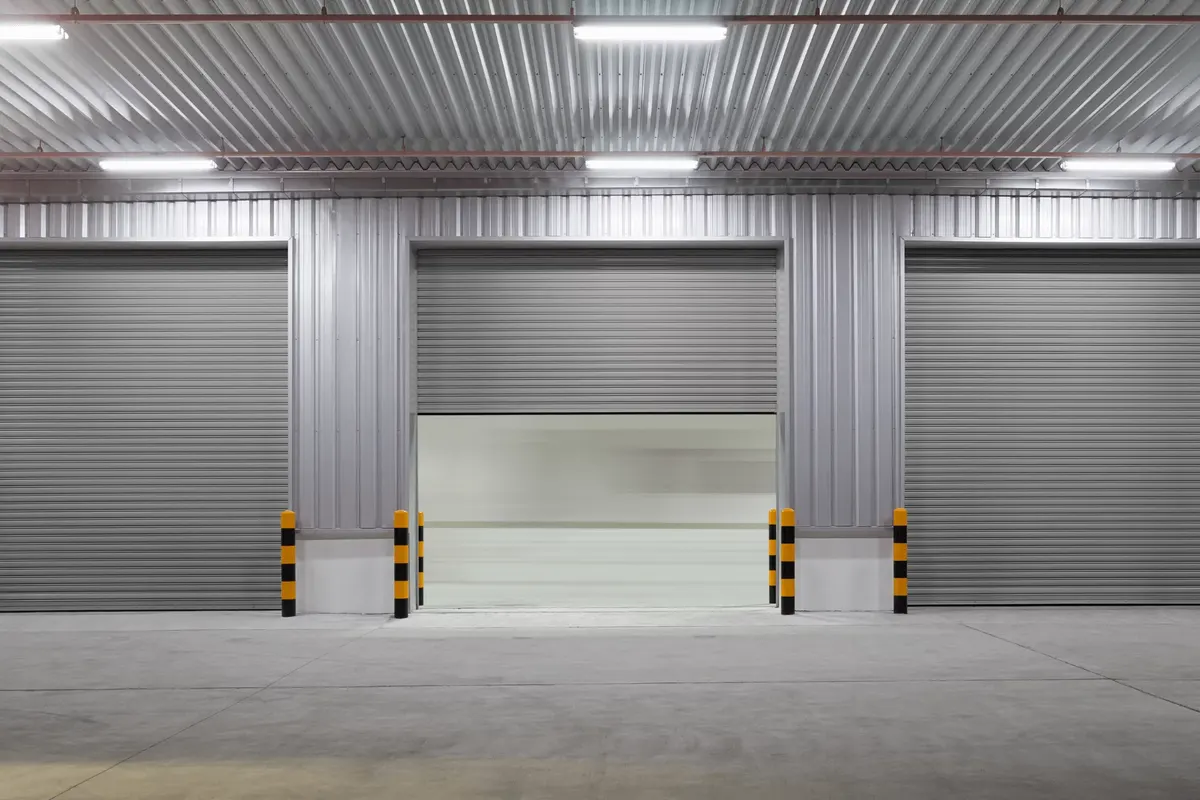
Garage door track and roller repair in Worcester, MA for doors that grind, jerk, bind or run crooked. Bent tracks, worn
Emergency Garage Door Repair
Emergency garage door repair in Worcester, MA for doors that will not open, will not close, or are stuck open. Call now
Garage Door Opener Repair
Garage door opener repair in Worcester, MA for openers that hum, click, reverse, or stop responding. Diagnosis at the mo
Repair vs Replace a Garage Door
Repair vs replace a garage door in Worcester, MA. How the decision is made — the door's age, how many parts are failing,
Frequently asked questions
Yes, when the damage is limited to that section and the rest of the door — tracks, rollers, springs and the other sections — is sound. The replacement section must match the door's size, material and profile, and the door is rebalanced after the fitting.
When several sections are damaged, when the top section is cracked where the opener bracket pulls, when the tracks are bent, or when the bottom section has rusted through. In those cases replacing one section will not make the door reliable.
It will match in size, material and profile. The colour will be close, and on a door that has faded in the sun a repaint of the whole door after the replacement is the way to make the match exact.
A dent on its own is usually cosmetic, but a cracked top section where the opener bracket pulls is a safety problem, because the bracket can tear out. A dented section that binds in the track is also a problem, because it makes the door run crooked and wears the rollers and hinges.
Road salt and snowmelt at the bottom edge, and scratches in the finish that are never repainted. A bottom seal in good shape keeps meltwater out; a failed seal lets it in, and the steel rusts from the bottom edge up.
A single-section replacement is usually a single visit once the matching section is identified. The visit includes removing the damaged section, fitting the new one, checking the hinges and rollers, rebalancing the door, and testing full cycles and the safety reverse.
Call now for garage door repair in Worcester, MA
Describe the door and the symptoms, and the visit will confirm what the door needs before any work starts.
Call NowContact
Call to describe the door and the symptoms, and the visit will confirm what the door needs before any work starts. Hours: Monday to Friday 7:00 AM to 10:00 PM ET, Saturday 8:00 AM to 10:00 PM ET, Sunday 7:00 AM to 9:00 PM ET.
hello@worcestergaragedoorpros.com · Serving Worcester and Worcester County, Massachusetts.
Call Now