Garage Door Cable Replacement in Worcester, MA
The lift cables are the quietest part of a garage door system and the one most households never look at — until one snaps and the door lifts crooked, jams halfway, or drops on one side. The cables carry the door's full weight on the drums, and they wear out from rust, friction and age. This page explains how cables fail, how to spot the signs, and what a proper replacement includes.
Hours: Mon–Fri 7:00 AM–10:00 PM ET · Sat 8:00 AM–10:00 PM ET · Sun 7:00 AM–9:00 PM ET
Call now for garage door repair
Describe the door and the symptoms, and the visit will confirm what the door needs before any work starts.
Call NowServing Worcester and Worcester County, Massachusetts.
In short
Garage door cable replacement means removing the worn or snapped lift cable and fitting a new cable of the correct length and diameter, wound evenly onto its drum and tensioned so both sides of the door lift together. The door is then rebalanced, the springs, drums and rollers are checked, and the door is tested through full open and close cycles.
What the lift cables do, and why they matter
A garage door has two lift cables, one on each side, and they do a job that is easy to underestimate. Each cable runs from the bottom bracket on the door, up to a drum mounted on the spring shaft, and it carries its half of the door's weight. When the door opens, the springs turn the drums and wind the cables, lifting the door; when the door closes, the cables unwind in a controlled way and lower it. The cables are the link between the springs and the door — the springs store the energy, and the cables deliver it. Without the cables, the springs would have nothing to pull on and the door would not move at all.
Because the cables carry the full weight, a failure on one side is immediately visible: the door lifts unevenly, one side rising faster than the other, and then jams as the crooked door binds in its tracks. A cable that has snapped completely leaves its side of the door unsupported, and the door can drop on that side without warning. The cables are made of braided steel wire, and they are strong — but they are also thin, exposed to damp and road salt, and they rub against the drum and the bottom bracket on every cycle. They are wear parts, like the springs, and they fail on a similar timescale. A household that checks its springs but never looks at its cables is checking half the lifting system.
How cables fail: rust, fraying and slipping
Cables fail in three ways, and each leaves a different trace. Rust is the slowest and the most common in Worcester: road salt, snowmelt and summer humidity keep the garage damp, and the braided steel cable rusts from the outside in. A rusted cable looks dull and rough, and individual strands start to separate. Fraying is the second: the cable rubs against the drum and the bottom bracket on every cycle, and the outer strands wear through first. A frayed cable shows loose wires sticking out, usually near the drum or the bottom bracket, and it is the stage just before the snap. Slipping is the third: the cable winds unevenly onto the drum, overlaps itself, or jumps off the drum entirely, usually because the door is out of balance or the drum is worn.
All three are made worse by the same conditions that wear out springs. A door that is out of balance puts more load on one cable than the other, so one cable wears faster. A door with a weakening spring makes the opener and the cables work harder. And a garage that is never inspected lets a frayed cable go unnoticed until it snaps — usually on a cold morning, when the steel is contracted and the cable is at its most brittle. The inspection that catches a failing cable is simple: look at both cables, top to bottom, for rust, loose strands, uneven winding on the drums, and any cable that hangs slack when the door is closed. Five minutes, twice a year, is enough.
Signs your garage door cables need replacing
The first sign is visual, and it is the one to check first: look at the cables on both sides of the door. A healthy cable is a tight, even braid with no loose strands. A failing cable shows rust, frayed wires sticking out, a flattened or kinked section, or a cable that winds unevenly on its drum. The second sign is how the door moves: a door that lifts unevenly, one side ahead of the other, or a door that jerks and catches on the way up, has a cable problem on the slow side. The third sign is sound: a cable that is fraying or slipping can make a clicking or popping sound as it winds onto the drum.
The fourth sign is the door's position when it is closed. A door that sits slightly crooked in its frame, with a gap on one side at the bottom, has a cable that has stretched or slipped. The fifth sign is the most urgent: a cable hanging loose beside the track, or a cable that has come off its drum entirely. That cable is no longer carrying its share of the weight, and the door is being held by the other cable and the springs alone. If any of these signs are present, the door should not be run again — each cycle with a damaged cable risks the cable snapping, the door jamming, or the door dropping on one side. The replacement visit should happen before the next cycle, not after.
What the cable replacement visit includes
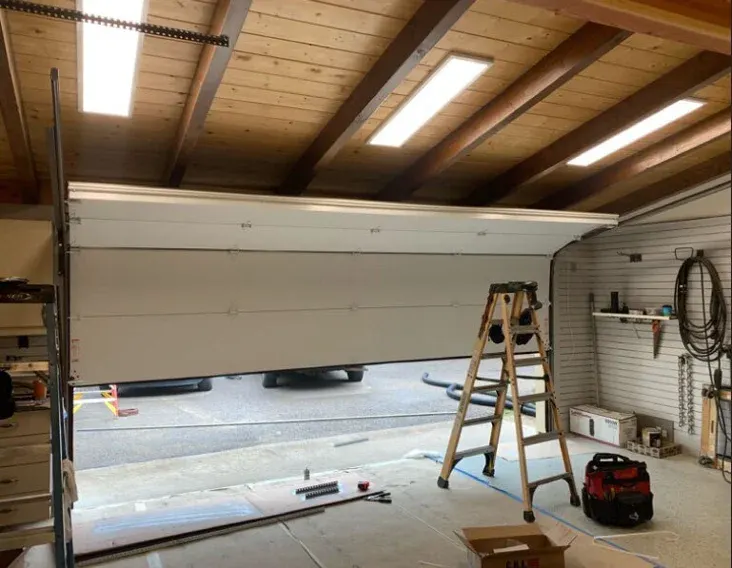
The visit starts with the door secured in position, because a cable replacement means working on the parts that hold the door up. The technician inspects both cables, the drums, the bottom brackets and the springs, because a cable failure is often a symptom of a wider problem — an unbalanced door, a worn drum, a weakening spring — and replacing the cable without fixing the cause means the new cable will fail the same way. The old cable is then removed and the new one is fitted: the correct length and diameter for the door, threaded through the bottom bracket and wound evenly onto the drum, with no overlaps and no slack.
Both cables are replaced together, even if only one has failed. The surviving cable has the same age, the same rust exposure and the same number of cycles, and it will fail soon after its partner — the same logic as replacing both springs together. The door is then rebalanced by hand: it should lift with moderate effort, hold steady at waist height, and lower smoothly. The opener is reconnected and run through full cycles, the safety reverse is tested, and the springs are checked, because a cable that snapped under load may have stressed the spring system. The visit is complete when the door moves evenly on both sides, closes fully, and stays where it is put — not when a single cable has been swapped.
Cables and springs: why they are replaced together so often
Cables and springs wear out on a similar timescale, and they fail for the same reasons — age, cycles, rust and imbalance — so a visit for one often finds the other. A broken spring puts extra load on the cables, because the door's weight is no longer counterbalanced and the cables take the strain. A snapped cable puts extra load on the springs, because one side of the door is no longer supported and the spring system is working unevenly. A door that has had a spring replaced but keeps its old, rusted cables is a door that will call for a second emergency visit, and a door that has had cables replaced but keeps a fatigued spring is the same story in reverse.
This is why a good visit inspects both, and why the household should expect the technician to report on both, even if only one was the reason for the call. It is not a matter of replacing everything at once — a cable that is sound should stay, and a spring that is sound should stay — but of checking the system and being honest about what is worn. The parts that work together should be assessed together, and the recommendation should follow the condition of the parts, not the reason for the call. A door whose springs and cables are both fresh, balanced and tested is a door that will not make an emergency call for years.
Why a cable replacement is not a do-it-yourself repair
Lift cables are under tension, and the tension is the door's full weight. Replacing a cable means working on the parts that hold the door up, and the door must be secured before the old cable is removed — if it is not, the door can drop the moment the cable comes off. The new cable must also be wound onto the drum correctly: an uneven wind, an overlap, or a cable that is too long or too short will make the door run crooked, wear the new cable out quickly, and can let the cable jump off the drum on the next cycle. The length and diameter must match the door, and the tension must be equal on both sides, or the door will lift unevenly from the first cycle.
The springs make the job harder still. On a torsion-spring door, the cables are wound onto drums on the same shaft as the springs, and any work on the cables means working next to springs under tension. A slip with a winding bar or a loosened set screw can release that tension suddenly. On an extension-spring door, the cables run through pulleys under tension, and a cable that is released in the wrong order can snap back. The visit also includes rebalancing the door, which is a skill in itself: the door must hold steady at waist height and move smoothly, and that balance is what makes the new cables last. Of all the garage door repairs, the cable is one where the procedure matters as much as the part.
Cable failure and the door dropping: what to do
If a cable snaps while the door is moving, the door will drop on the failed side, jam in its tracks, or come to rest crooked in the frame. The first response is to stop: do not press the opener again, do not try to lift the door by hand, and do not stand under it. The door is being held by one cable and the springs, and it is not stable. Keep people and cars clear of its path, and if the door is stuck open, lock the door from the garage into the house and move valuables out of sight.
The second response is to look, from a safe distance, at what has happened: a cable hanging loose beside the track, a cable wound unevenly on its drum, or a door sitting visibly crooked. That is useful information for the visit, and it confirms the diagnosis before the technician arrives. The third response is to call. A cable replacement is a same-visit repair once the door is secured, and the visit will also check the springs, drums and balance, because a cable that snapped under load may have stressed the rest of the system. What the household should not do is try to prop the door up, wedge it in place, or run the opener to close it. A door held by one cable is a door that can drop, and the safe move is to leave it alone until the visit.
Keeping new cables in good shape
New cables last longest when the door is balanced and the garage is dry. The balance is the first factor: a door that lifts evenly puts equal load on both cables, so they wear at the same rate and neither is overloaded. A door that runs crooked overloads one cable, and that cable will fail first — which is why the balance check after a replacement matters, and why the household should repeat it a few times a year by lifting the door by hand to waist height and seeing whether it stays put. The second factor is damp: road salt and snowmelt rust steel cable, and a garage that stays damp through the winter will shorten a cable's life. Keeping the garage floor clear of standing water and salt, and keeping the bottom seal in good shape so meltwater stays outside, helps.
The third factor is lubrication — of the right parts, in the right way. The cables themselves do not need lubricant, but the rollers, hinges and spring coils do, and a door whose moving parts run smoothly puts less strain on its cables. The fourth is inspection: a twice-yearly look at both cables, top to bottom, for rust, frayed strands, uneven winding and slack. A cable that is caught when it is frayed is a planned replacement; a cable that is caught when it snaps is an emergency. The habit is five minutes, twice a year, and it is the simplest maintenance a garage door gets.
Cables on double doors: why both sides matter
A double door has two lift cables, one on each side, and they must work together — because a double door is heavy, and the balance between its two sides is what keeps it moving evenly. When one cable wears faster than the other, the door lifts crooked: one side rises ahead of the other, the rollers bind in their tracks, and the door jerks and catches. The cause is usually imbalance — a spring that is weakening on one side, a drum that is worn, or a cable that has stretched — and the fix is to find the imbalance, not just to replace the cable that looks worst. The visit inspects both cables, both drums, and the springs, because a cable problem on a double door is almost always a system problem, and replacing one cable without finding the imbalance means the new cable will fail the same way.
The pair rule matters more on a double door, not less. Both cables are replaced together, even if only one has failed, because the surviving cable has the same age, the same rust exposure and the same number of cycles. The new cables are wound evenly onto their drums with no overlaps and no slack, and the door is rebalanced by hand so it lifts evenly on both sides. The opener is then tested through full cycles, because an opener that has been working against a crooked double door will have a worn drive gear. A double door that lifts evenly, closes fully, and stays where it is put is a door whose cables are sharing the load — and a door whose cables are sharing the load is a door whose cables will last.
Problem to solution
Problem
A garage door has two lift cables, one on each side, and they do a job that is easy to underestimate. Each cable runs from the bottom bracket on the door, up to a drum mounted on the spring shaft, and it carries its half of the door's weight. When the door ope
Solution
Garage door cable replacement means removing the worn or snapped lift cable and fitting a new cable of the correct length and diameter, wound evenly onto its drum and tensioned so both sides of the door lift together. The door is then rebalanced, the springs,
What happens on a garage door repair visit
Describe the door and the symptoms — what happened, when, and what the springs and cables look like.
The visit checks the whole door system and names the failed part before any work starts.
The failed part is repaired or replaced, matched to the door, and the door is rebalanced by hand.
Full open and close cycles, balance checked, safety reverse tested — the door proves it works.
Related services and guides
Emergency Garage Door Repair
Emergency garage door repair in Worcester, MA for doors that will not open, will not close, or are stuck open. Call now
Broken Garage Door Spring Repair
Broken garage door spring repair in Worcester, MA. Learn the signs of a snapped torsion or extension spring, why the doo
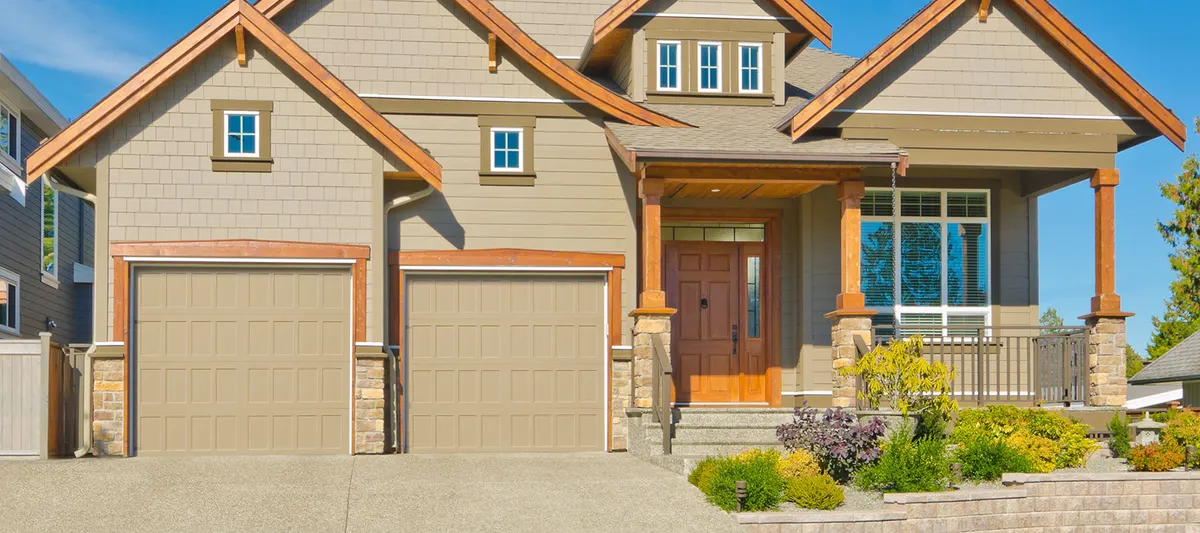
Garage Door Spring Replacement
Garage door spring replacement in Worcester, MA for torsion and extension springs. Matched springs, rebalancing, and ful
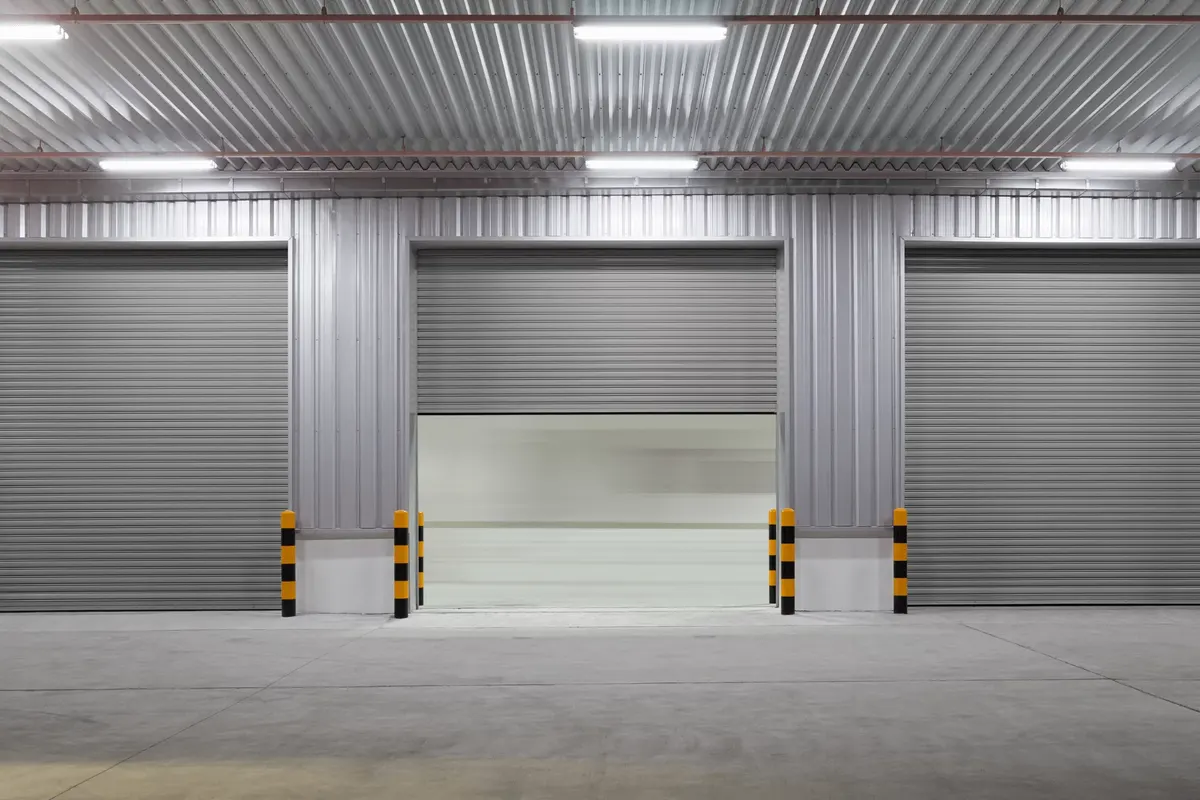
Garage Door Track & Roller Repair
Garage door track and roller repair in Worcester, MA for doors that grind, jerk, bind or run crooked. Bent tracks, worn
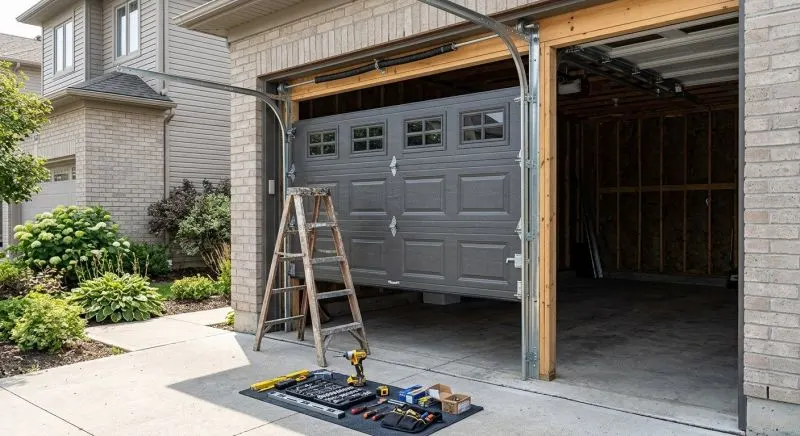
Garage Door Won't Open
Garage door won't open in Worcester, MA? Learn the checks that separate a door problem from an opener problem, and what
Frequently asked questions
Look at the cables on both sides of the door. A broken cable hangs loose beside the track or has come off its drum, and the door lifts crooked or will not lift at all. A frayed cable shows loose wires sticking out, usually near the drum or the bottom bracket.
No. With one cable gone, one side of the door is unsupported, so the door lifts crooked, jams, or drops on that side. Running the opener risks bending the tracks and damaging the opener. Leave the door alone and call for a visit.
Yes. The surviving cable has the same age, the same rust exposure and the same number of cycles as the one that failed, so it is likely to fail soon after. Replacing both together means one visit and a door that lifts evenly.
Age, cycles, rust and imbalance. Road salt and snowmelt rust the braided steel, friction at the drum and bottom bracket frays the outer strands, and a door that is out of balance overloads one cable. Cold mornings are the most common time for a worn cable to snap.
It depends on use, damp and balance, but cables wear on a similar timescale to springs. A door that is balanced, inspected twice a year, and kept dry will get far more life from its cables than a door that runs crooked in a damp garage.
Yes. The cables are under tension and hold the door's full weight, and the door must be secured before the old cable is removed. On a torsion-spring door the work is done next to springs under tension. Cable replacement is a professional repair.
Call now for garage door repair in Worcester, MA
Describe the door and the symptoms, and the visit will confirm what the door needs before any work starts.
Call NowContact
Call to describe the door and the symptoms, and the visit will confirm what the door needs before any work starts. Hours: Monday to Friday 7:00 AM to 10:00 PM ET, Saturday 8:00 AM to 10:00 PM ET, Sunday 7:00 AM to 9:00 PM ET.
hello@worcestergaragedoorpros.com · Serving Worcester and Worcester County, Massachusetts.
Call Now