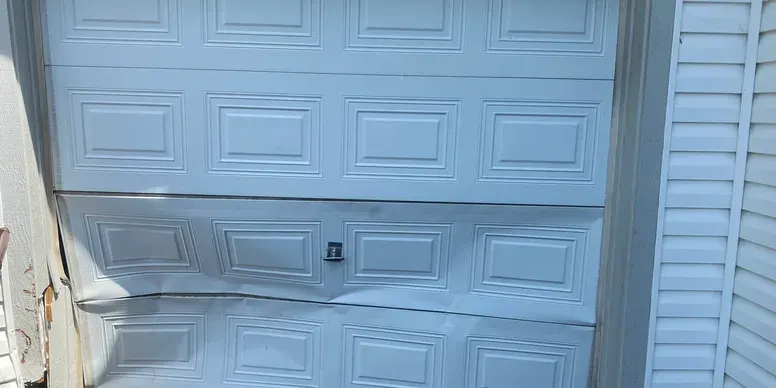
Garage Door Sensor Repair in Worcester, MA
The safety sensors are the small boxes near the floor on either side of the garage door, and they are the most common reason a door refuses to close. One sends an invisible beam, the other receives it, and if the beam is broken the opener will not close the door. This page explains how sensors fail, what to check first, and what a repair visit does.
Hours: Mon–Fri 7:00 AM–10:00 PM ET · Sat 8:00 AM–10:00 PM ET · Sun 7:00 AM–9:00 PM ET
Call now for garage door repair
Describe the door and the symptoms, and the visit will confirm what the door needs before any work starts.
Call NowServing Worcester and Worcester County, Massachusetts.
In short
Garage door sensor repair means finding why the photoelectric beam is interrupted: a sensor knocked out of alignment, a dirty lens, a loose or broken wire, or a failed sensor unit. The sensors are realigned, cleaned and rewired or replaced, then tested so the door closes fully and reverses when the beam is broken.
What the safety sensors do
The photoelectric safety sensors have been required on residential garage door openers since 1993, and they are a simple idea: a beam of invisible light runs across the doorway, a few inches above the floor, from a sending sensor on one side to a receiving sensor on the other. If anything breaks the beam — a person, a pet, a bike, a box — the opener will not close the door, or it will reverse a door that is already closing. The sensors are the reason a garage door cannot close on a child or a car, and they are tested by the opener every time the door closes. Each sensor has an indicator light: steady means aligned and working, blinking or dark means a problem. The sensors are wired to the opener, and the opener will not run a closing cycle if it cannot see both sensors working.
The checks to make before you call
Most sensor problems are simple, and the checks take two minutes. First, look at both sensors: each should show a steady light. A blinking light usually means misalignment; a dark light usually means no power, which points at the wiring. Second, wipe both lenses with a soft cloth — dust, cobwebs and grime on the lens weaken the beam enough to stop the door. Third, check that nothing is blocking the beam: a box, a bike, a bag of salt, or a spider web across the doorway will all break it. Fourth, check that both sensors point directly at each other — a sensor knocked by a foot, a broom or a car bumper will be tilted just enough to miss.
Sunlight is the seasonal cause worth knowing about in Worcester: a low winter sun shining directly into the receiving sensor can overwhelm the beam, and the opener will refuse to close the door on sunny winter afternoons. The fix is a small shade over the receiving sensor, not a new opener. If the lights are steady, the lenses are clean, the beam is clear, and the door still will not close, the problem is in the wiring or the opener's circuit board, and the visit starts there.
How sensors fail, and how they are repaired
Sensors fail in four ways. Misalignment is the most common: a sensor knocked out of position by a foot, a stored box, or a car bumper no longer points at its partner, and the beam misses. The repair is realignment — loosening the bracket, aiming the sensor, and tightening it so it stays put. A dirty lens is the second: dust, cobwebs and road salt film weaken the beam, and the repair is cleaning, sometimes with a check that the lens is not scratched. Wiring is the third: the thin wires from the sensors to the opener run along the wall and ceiling, and they are easily nicked by a staple, chewed by a mouse, or pulled loose at a connection. The repair is tracing the wire, finding the break, and reconnecting it properly.
The fourth is a failed sensor unit: the electronics inside the sensor give out, usually after years of service or after a power surge, and the sensor shows no light at all. The repair is replacing the sensor — and on most openers the sensors are replaced as a pair, because a new sensor and an old one can behave differently. After any sensor repair, the visit tests the system properly: the door should close fully, and breaking the beam with a hand or a box while the door is closing should make it reverse immediately. A sensor repair is not complete until that test passes.
Sensors and the rest of the opener
A sensor problem is sometimes a symptom of a wider opener problem, and the visit should check for it. An opener whose circuit board is failing can report a sensor fault when the sensors are sound, because the board is misreading their signals. An opener with a failing power supply can starve the sensors of voltage, so their lights dim and the beam weakens. And a door that is binding in its tracks can look like a sensor problem, because the opener reverses the door and the household assumes the sensors stopped it — when in fact the door was binding and the opener's force limit tripped.
The diagnosis separates these by testing the sensors on their own: if the lights are steady and the beam is unbroken, the sensors are working, and the problem is elsewhere. The visit should also check the travel and force limits after a sensor repair, because a household that has been holding the wall button down to force the door closed may have masked a limit problem, and the force setting should not be left high. The safety reverse is tested last, because the sensors and the reverse are the two systems that protect the household, and both must work before the visit ends.
What happens on a garage door repair visit
Describe the door and the symptoms — what happened, when, and what the springs and cables look like.
The visit checks the whole door system and names the failed part before any work starts.
The failed part is repaired or replaced, matched to the door, and the door is rebalanced by hand.
Full open and close cycles, balance checked, safety reverse tested — the door proves it works.
Related services and guides
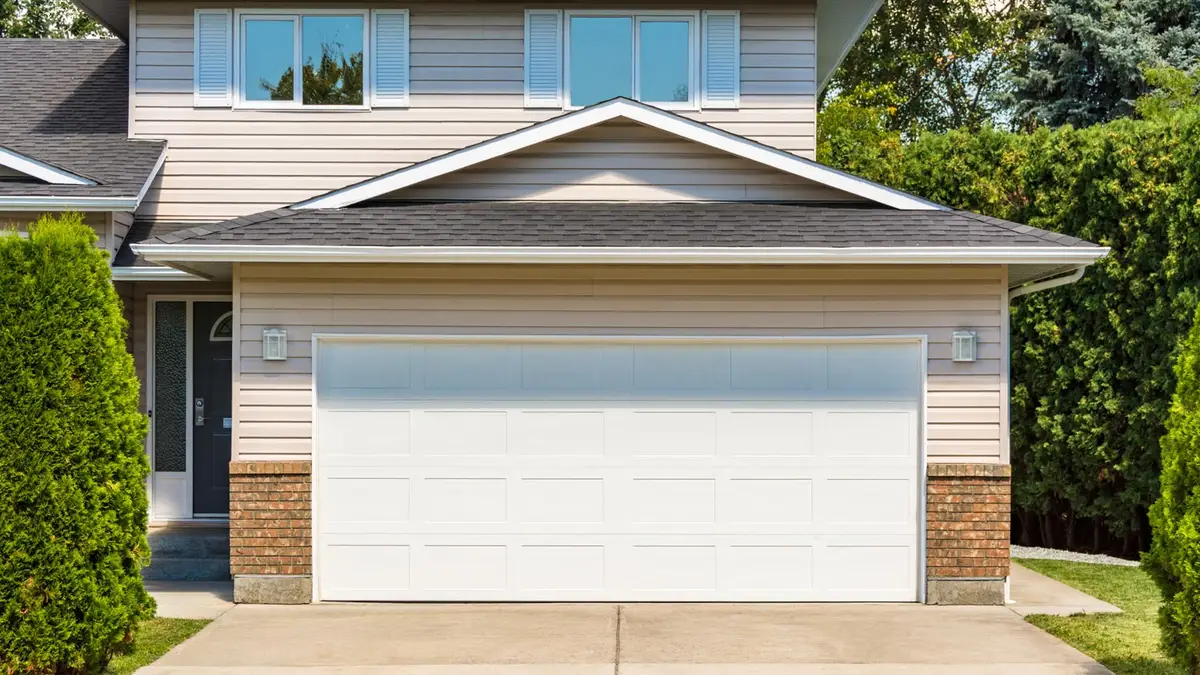
Garage Door Opener Repair
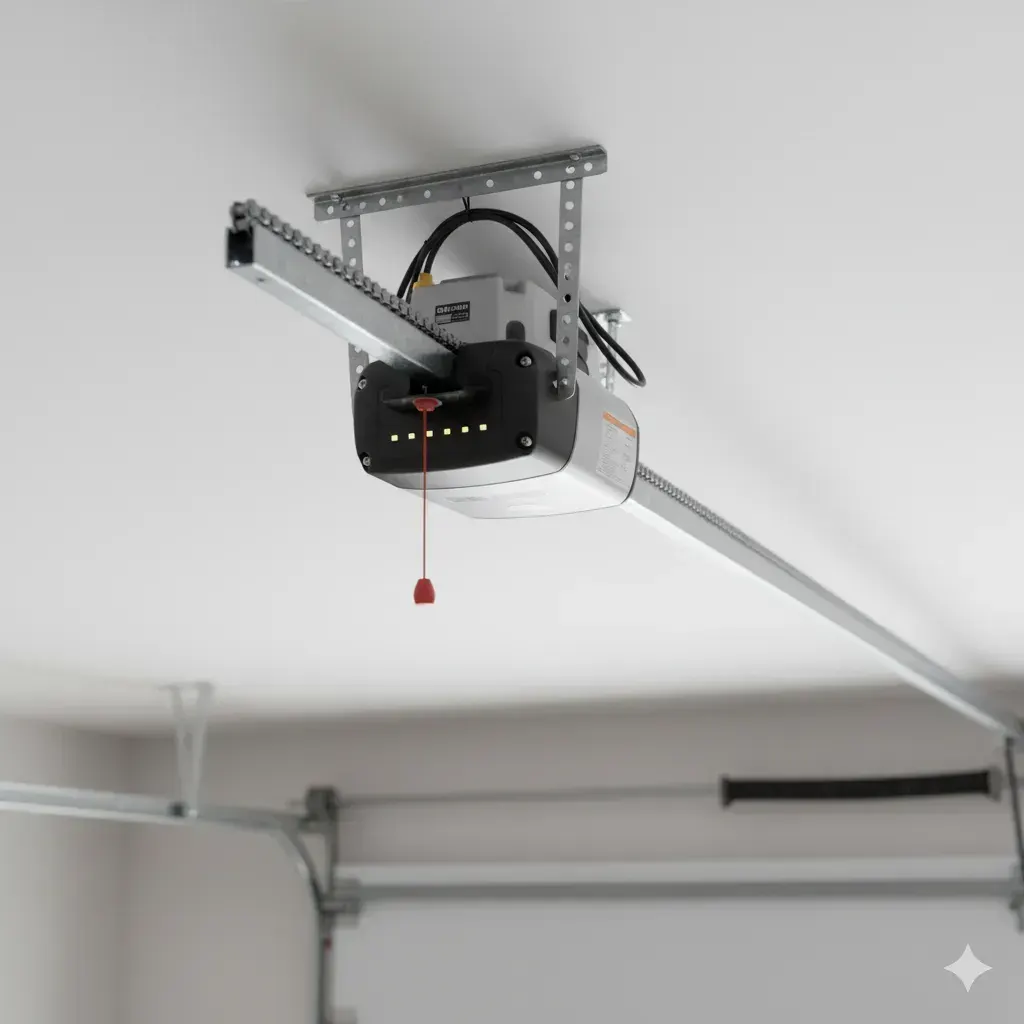
Garage door opener repair in Worcester, MA for openers that hum, click, reverse, or stop responding. Diagnosis at the mo
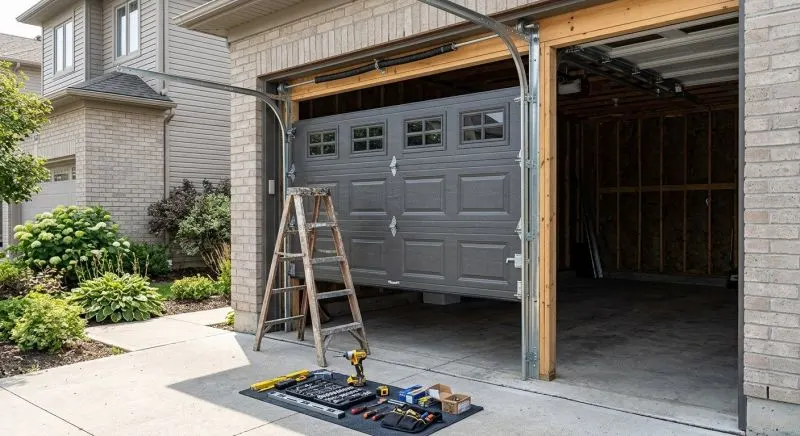
Garage Door Won't Open
Garage door won't open in Worcester, MA? Learn the checks that separate a door problem from an opener problem, and what
Garage Door Keypad & Remote Repair
Garage door keypad and remote repair in Worcester, MA for remotes that stop working, keypads that will not respond, and
Emergency Garage Door Repair
Emergency garage door repair in Worcester, MA for doors that will not open, will not close, or are stuck open. Call now
Garage Door Track & Roller Repair
Garage door track and roller repair in Worcester, MA for doors that grind, jerk, bind or run crooked. Bent tracks, worn
Frequently asked questions
The safety sensors are the most common cause. Check that both sensors near the floor show a steady light, that the lenses are clean, and that nothing is blocking the beam between them. A misaligned sensor will stop the door from closing.
A steady light means the sensor is aligned and working. A blinking light usually means misalignment, and a dark light usually means the sensor has no power — a wiring problem or a failed sensor unit.
Yes. Low winter sun shining directly into the receiving sensor can overwhelm the beam, and the opener will refuse to close the door. A small shade over the receiving sensor usually fixes it.
Usually yes. A new sensor and an old one can behave differently, and the pair is matched. The visit tests the system after the replacement: the door should close fully and reverse when the beam is broken.
Call now for garage door repair in Worcester, MA
Describe the door and the symptoms, and the visit will confirm what the door needs before any work starts.
Call NowContact
Call to describe the door and the symptoms, and the visit will confirm what the door needs before any work starts. Hours: Monday to Friday 7:00 AM to 10:00 PM ET, Saturday 8:00 AM to 10:00 PM ET, Sunday 7:00 AM to 9:00 PM ET.
hello@worcestergaragedoorpros.com · Serving Worcester and Worcester County, Massachusetts.
Call Now