Garage Door Opener Not Working? Troubleshooting
A garage door opener that stops working is often not broken — it is reporting a problem somewhere else, in the door, the sensors, or the remote. This guide works through the troubleshooting in order, from the checks that take seconds to the diagnosis that needs a visit.
Hours: Mon–Fri 7:00 AM–10:00 PM ET · Sat 8:00 AM–10:00 PM ET · Sun 7:00 AM–9:00 PM ET
Call now for garage door repair
Describe the door and the symptoms, and the visit will confirm what the door needs before any work starts.
Call NowServing Worcester and Worcester County, Massachusetts.
In short
Troubleshoot a garage door opener in order: power and breaker, the manual lock, the emergency release, the wall button versus the remote, the safety sensors, then the door itself by hand. If the door lifts easily by hand and the wall button works, the problem is the remote or the receiver; if the door is heavy by hand, the problem is the spring or cable.
Step one: power, lock and release
Check the power first: is the opener plugged in, is the outlet live, and has a breaker tripped? A tripped GFCI outlet is a common cause, and so is a plug knocked loose by a stored box. Check the manual lock: a slide bolt or handle lock on the inside of the door will stop the opener cold, and it is easy to overlook. Check the emergency release: if the red cord has been pulled, the opener is disconnected from the door, and the trolley needs to be re-engaged — usually by running the opener once or by pulling the cord toward the door while lifting. These three checks take a minute, they fix a surprising number of opener calls, and they cost nothing.
Step two: wall button versus remote
The wall button and the remote take different paths to the opener, and the difference is diagnostic. If the wall button works and the remote does not, the opener's motor and mechanics are sound, and the problem is the remote, its battery, its code, or the opener's radio receiver. Replace the remote battery first — a weak battery is the most common remote failure — then reprogram the remote by pressing the learn button on the opener and the remote button in order. If the wall button does not work either, the problem is in the opener or the door, and the next step is the sensors and the hand test.
Step three: sensors and the hand test
Look at both safety sensors near the floor: each should show a steady light. A blinking light means misalignment, a dark light means no power, and a blocked beam — a box, a bike, a spider web, or low winter sun into the receiving sensor — will stop the door from closing. Wipe the lenses, check the alignment, and clear the beam. Then the hand test: disconnect the opener and lift the door by hand. If the door lifts smoothly and holds at waist height, the door is sound and the problem is in the opener — most often a stripped drive gear, a failed capacitor, or a failed circuit board. If the door is heavy or binds, the problem is the door — a spring, a cable, or a track — and no opener repair will fix it.
When the opener itself has failed
A motor that hums without moving the door is trying to lift a door it cannot move, or its drive gear has stripped. A motor that clicks once and goes silent may have a failed capacitor. An opener that runs but the door does not follow has a disconnected trolley or a stripped gear. An opener that does nothing at all may have lost power or a failed circuit board. An opener that works sometimes and not others usually has a failing circuit board. The repair depends on the opener's age: a gear kit, a capacitor, or a sensor will restore a sound opener, but an opener made before 1993 has no safety sensors, and an opener whose parts are no longer made should be replaced rather than repaired. The visit should test the opener at each of its parts, in order, so the household knows what failed and why.
The opener's age: when troubleshooting stops helping
Troubleshooting has a limit, and the limit is the opener's age. An opener that is five years old and has stopped working has usually failed in one part — a gear, a capacitor, a sensor — and the repair restores it to normal function. An opener that is fifteen years old and has stopped working has usually failed because its parts are wearing out together, and the repair that fixes one part leaves the next one to fail. The signs that troubleshooting has reached its limit are the ones that repeat: an opener that works sometimes and not others, an opener that has needed a gear kit and then a capacitor and then a sensor, an opener whose circuit board is no longer made. The age line that matters most is 1993, when photoelectric safety sensors became required: an opener made before that year has no sensors and should be replaced, not repaired. The visit should test the opener at each of its parts, in order, and be honest about what it finds: a sound opener with a failed part is a repair, and an opener whose parts are wearing out together is a replacement. The household should expect that honesty, because a repair that is followed by another failure a month later is not a repair that saved anything.
Related services and guides
Garage Door Opener Repair
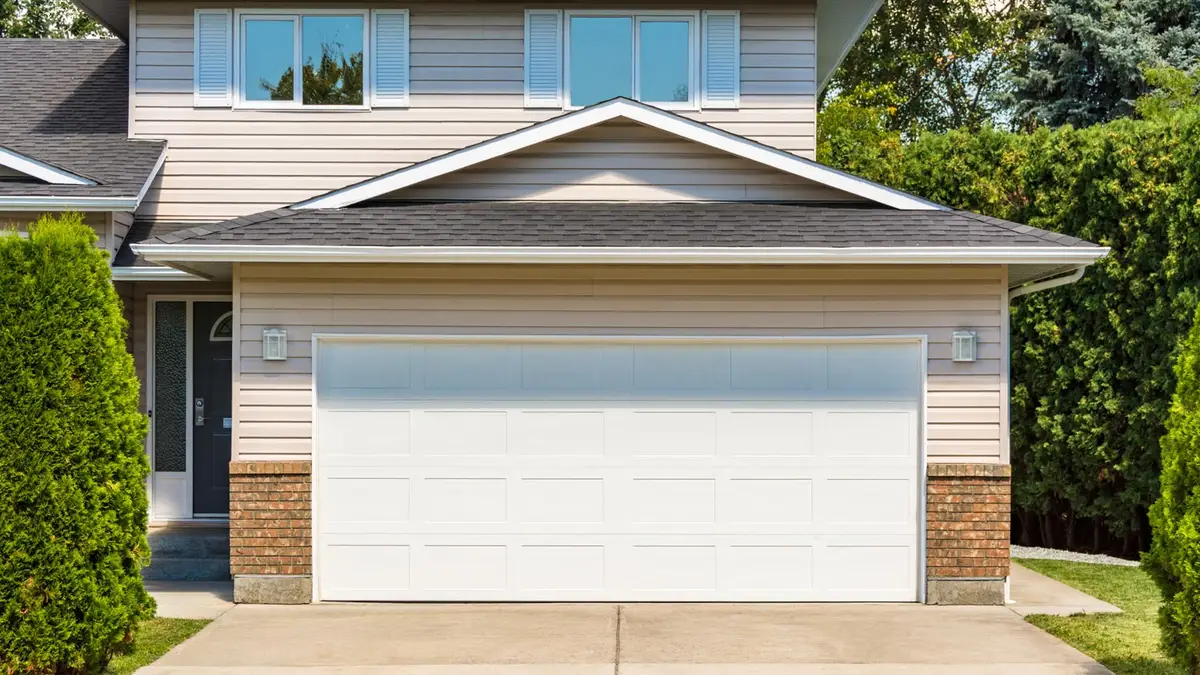
Garage door opener repair in Worcester, MA for openers that hum, click, reverse, or stop responding. Diagnosis at the mo
Garage Door Won't Open
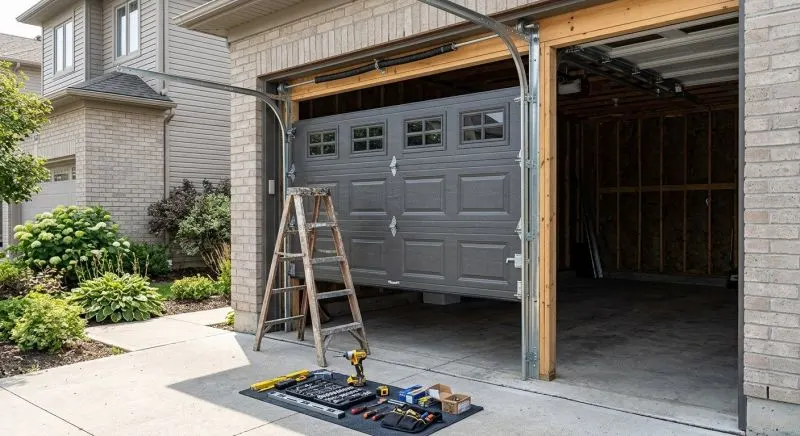
Garage door won't open in Worcester, MA? Learn the checks that separate a door problem from an opener problem, and what
Garage Door Sensor Repair
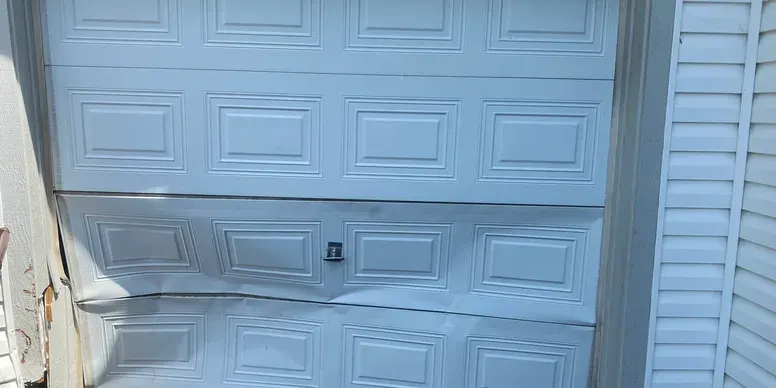
Garage door sensor repair in Worcester, MA for safety sensors that stop the door from closing. Alignment, wiring and ope
Garage Door Keypad & Remote Repair
Garage door keypad and remote repair in Worcester, MA for remotes that stop working, keypads that will not respond, and
Emergency Garage Door Repair
Emergency garage door repair in Worcester, MA for doors that will not open, will not close, or are stuck open. Call now
Frequently asked questions
Check the power, the manual lock, and the emergency release first — all three are common and simple to fix. Then check whether the wall button works: if it does, the problem is the remote or its battery; if it does not, check the sensors and lift the door by hand to test the door itself.
Either the door is too heavy because a spring has broken, or the opener's drive gear has stripped. Disconnect the opener and lift the door by hand: if the door is heavy, the problem is the spring; if it lifts easily, the problem is inside the opener.
A weak remote battery is the most common cause, followed by a failing circuit board. If the wall button always works and the remote is intermittent, replace the remote battery and reprogram the remote.
There is no single reset: the steps depend on the opener. The common ones are reprogramming the remote with the learn button, resetting the travel limits so the door opens and closes fully, and checking the force setting. If the opener has failed repeatedly, the board may be the problem, not the settings.
Call now for garage door repair in Worcester, MA
Describe the door and the symptoms, and the visit will confirm what the door needs before any work starts.
Call NowContact
Call to describe the door and the symptoms, and the visit will confirm what the door needs before any work starts. Hours: Monday to Friday 7:00 AM to 10:00 PM ET, Saturday 8:00 AM to 10:00 PM ET, Sunday 7:00 AM to 9:00 PM ET.
hello@worcestergaragedoorpros.com · Serving Worcester and Worcester County, Massachusetts.
Call Now