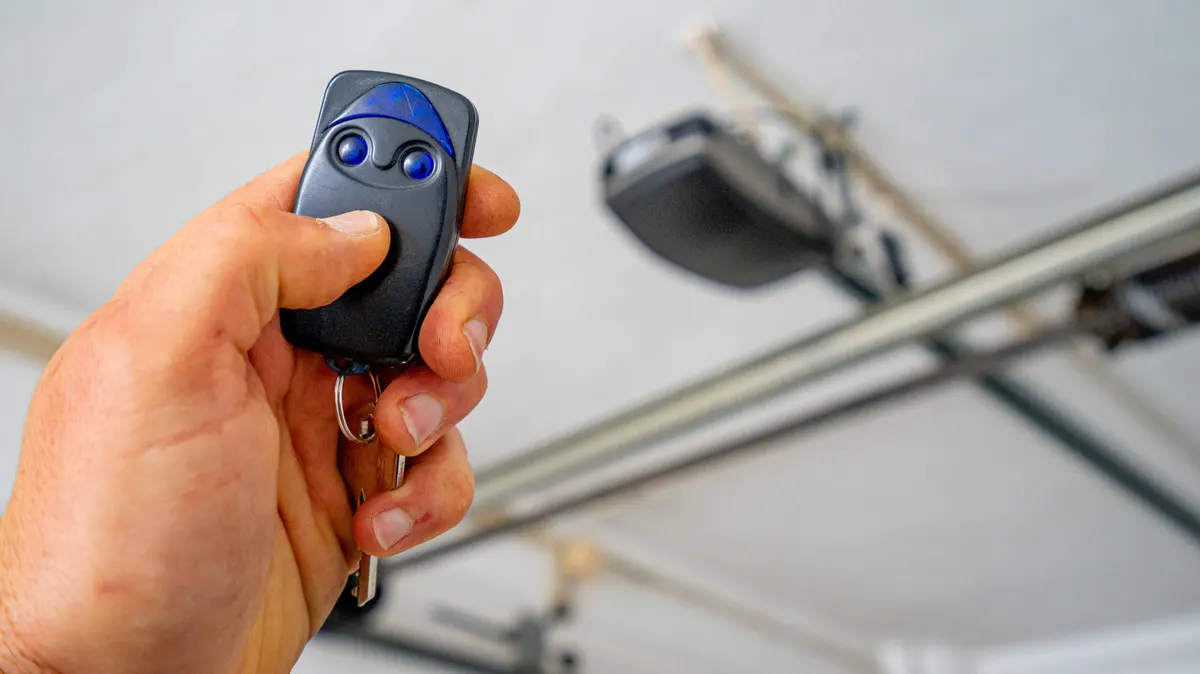
How Often Should a Garage Door Be Serviced?
A garage door is the heaviest moving object in most homes, and it is also the one that gets the least attention — until it stops working. The answer to how often it should be serviced is simple: twice a year, with a few habits in between. This guide explains what each check covers and why the rhythm matters.
Hours: Mon–Fri 7:00 AM–10:00 PM ET · Sat 8:00 AM–10:00 PM ET · Sun 7:00 AM–9:00 PM ET
Call now for garage door repair
Describe the door and the symptoms, and the visit will confirm what the door needs before any work starts.
Call NowServing Worcester and Worcester County, Massachusetts.
In short
A residential garage door should be serviced twice a year: a visual check of the springs, cables, tracks and rollers, a balance test by hand, lubrication of the moving parts, and a test of the safety reverse and sensors. Before winter is the most important of the two. A commercial door that cycles dozens of times a day should be inspected quarterly.
The twice-yearly rhythm
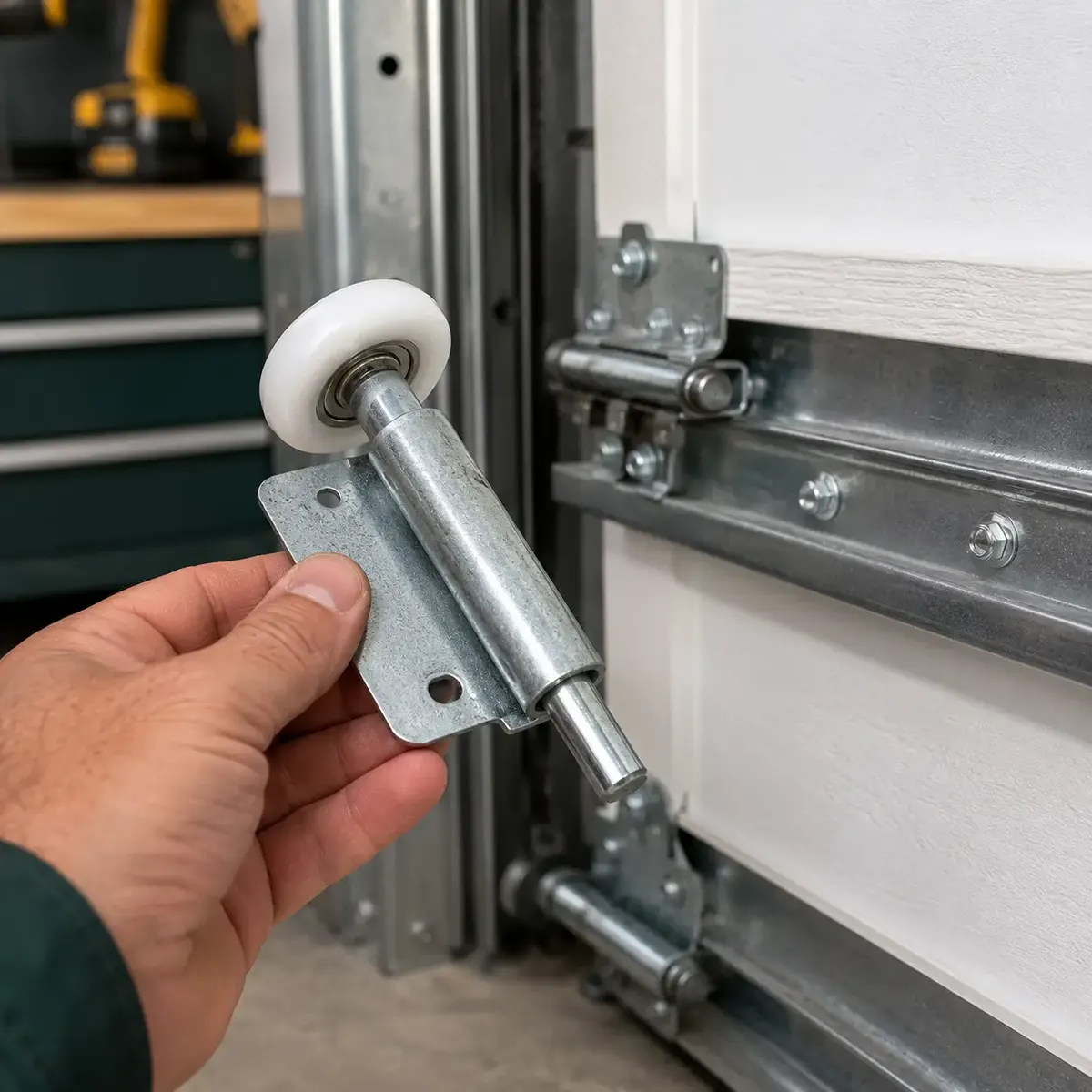
Twice a year is the rhythm that matches how a garage door wears. The springs, cables, rollers and hinges wear a little on every cycle, and six months is long enough for wear to show and short enough for it to be caught early. The check itself takes about half an hour: look at the torsion spring for rust and gaps, look at the cables for fraying and uneven winding, look at the tracks for bends and loose brackets, look at the rollers for flat spots and wobble, and look at the hinges for cracks and loose bolts. Lift the door by hand to waist height and let go — a balanced door stays put, and a door that drifts is telling you the springs need attention. Lubricate the spring coils, the hinges and the roller bearings with proper lubricant, keep the tracks clean and dry, and test the safety reverse and the sensors. Before winter is the most important of the two checks, because the cold finds the weakest part of a door.
What each check covers
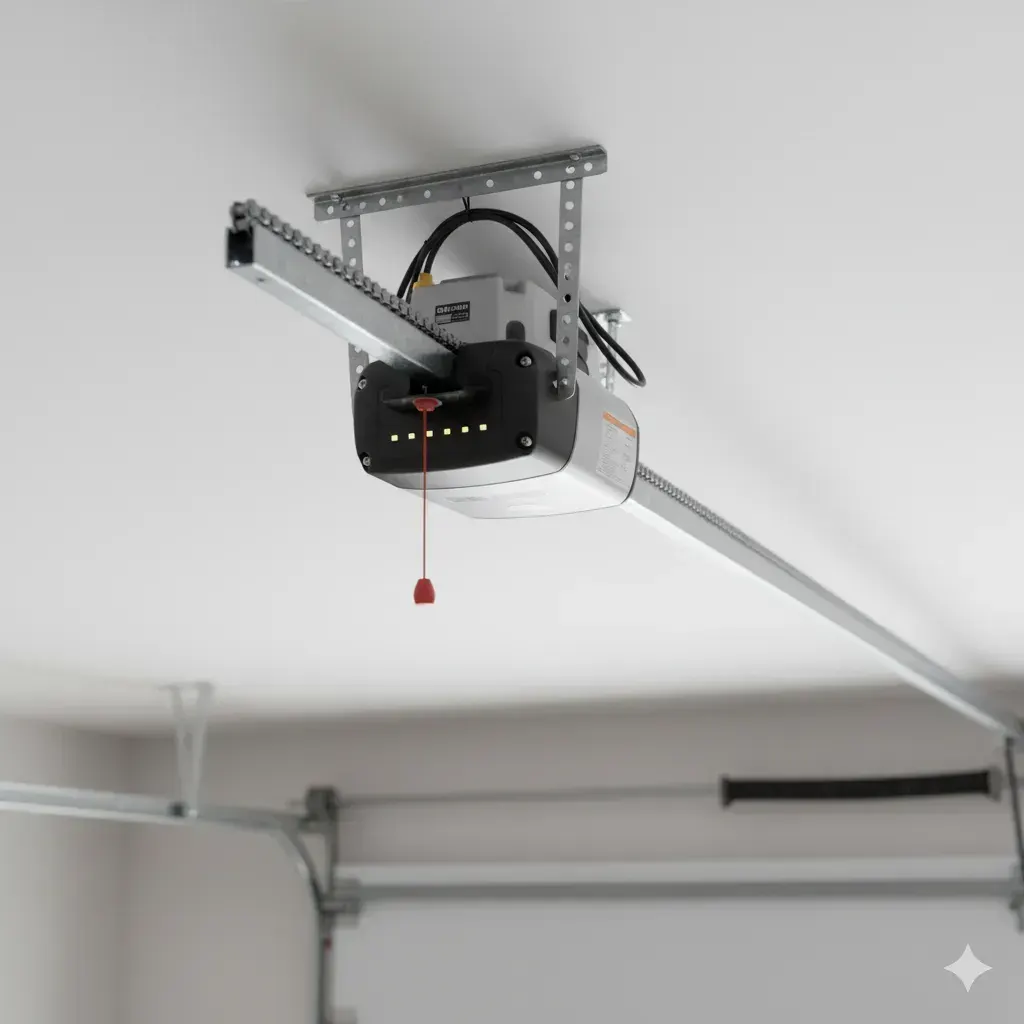
The spring check is the most important: rust along the coils, a gap in the coils, a door that feels heavier than it used to, or a spring that groans through its travel are all signs of a spring near the end of its life. The cable check follows: frayed wires, rust, uneven winding on the drums, or a cable hanging slack. The track and roller check is about movement: a door that grinds, jerks or catches at the same point every time has a worn roller or a bent track. The hinge check is about cracks and loose bolts. The opener check is about the gear, the sensors, the travel and force limits, and the controls — wall button, remote and keypad. And the safety check is the reverse and the sensors: the door should reverse on contact, and breaking the beam should stop the door from closing. Each check is simple on its own; together they are the system, and the system is what keeps the door working.
When sooner is better
Twice a year is the rhythm for a door that is working normally. Sooner is better when the door changes: a new sound — a grind, a squeak, a rattle — a door that is slower, heavier, or rougher than it was, a door that reverses when it should close, or a door that has been hit by a car or a ladder. A commercial door that cycles dozens of times a day should be inspected quarterly, not twice a year, because its parts wear on a faster schedule. And a door that has just had a repair — a new spring, a new cable, a new opener — deserves a check a few weeks later, to confirm the balance has held and the new part has settled in. The habit that ties it together is attention: a door that is looked at twice a year, and listened to in between, is a door that fails on the household's schedule, not on its own.
Commercial doors: a different rhythm
A commercial garage door does not follow the twice-yearly rhythm of a residential door, because it does not live the same life. A warehouse door that cycles forty times a day reaches a 25,000-cycle spring in under two years, and its cables, drums and operator wear on the same schedule. Quarterly inspection is the rhythm for a busy commercial door: springs, cables, drums, tracks, rollers, hinges, operator and safety systems, with the spring's cycle count in mind so a spring approaching its rating is replaced on a planned visit rather than snapping at the start of a working day. The maintenance visit also checks the parts a residential visit does not see: the dock leveller and seals around the door, the guides on a rolling door, the sensing edge on the bottom of the door, and the operator's control system. A commercial door is a piece of the business's operation, and maintaining it on a schedule is cheaper than repairing it in an emergency — in parts, in downtime, and in the working day it does not interrupt. The record matters too: a door with a maintenance record is a door the facility can plan around, and a door without one is a door that stops the dock without warning.
Related services and guides
Garage Door Maintenance Checklist for Winter
Garage door winter maintenance checklist for Worcester, MA. The checks to make before the cold season — seals, springs,
How To Keep a Garage Door Working in Winter
How to keep a garage door working in winter in Worcester, MA. Seals, lubrication, balance and the habits that prevent th
Garage Door Spring Replacement
Garage door spring replacement in Worcester, MA for torsion and extension springs. Matched springs, rebalancing, and ful
Commercial Garage Door Repair
Commercial garage door repair in Worcester, MA for warehouses, shops, loading docks and storefronts. Heavy-duty doors, h
Emergency Garage Door Repair
Emergency garage door repair in Worcester, MA for doors that will not open, will not close, or are stuck open. Call now
Frequently asked questions
Twice a year for a residential door: a visual check of the springs, cables, tracks and rollers, a balance test by hand, lubrication of the moving parts, and a test of the safety reverse and sensors. Before winter is the most important of the two.
An inspection of the whole door system — springs, cables, drums, tracks, rollers, hinges, opener and sensors — plus lubrication, tightening, a balance test, and a test of the safety reverse. The visit reports what is worn and what is approaching the end of its life.
Quarterly for a busy door that cycles dozens of times a day, twice a year for a quieter one. The inspection covers the same system, with the spring's cycle count in mind.
The checks — looking, listening, lubricating, testing the balance and the safety reverse — are household habits. The repairs — springs, cables, and anything under tension — are professional work, because the parts store enough energy to cause serious injury.
Call now for garage door repair in Worcester, MA
Describe the door and the symptoms, and the visit will confirm what the door needs before any work starts.
Call NowContact
Call to describe the door and the symptoms, and the visit will confirm what the door needs before any work starts. Hours: Monday to Friday 7:00 AM to 10:00 PM ET, Saturday 8:00 AM to 10:00 PM ET, Sunday 7:00 AM to 9:00 PM ET.
hello@worcestergaragedoorpros.com · Serving Worcester and Worcester County, Massachusetts.
Call Now