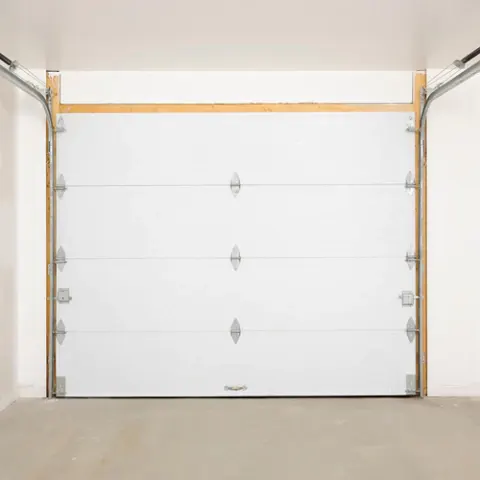
How To Keep a Garage Door Working in Winter in Worcester, MA
Worcester winters are hard on garage doors, and the failures follow a pattern every year: springs snapping on the first hard freeze, seals freezing to the floor, openers straining against thick lubricant. The habits in this guide take about half an hour before the cold season, and they prevent most of it.
Hours: Mon–Fri 7:00 AM–10:00 PM ET · Sat 8:00 AM–10:00 PM ET · Sun 7:00 AM–9:00 PM ET
Call now for garage door repair
Describe the door and the symptoms, and the visit will confirm what the door needs before any work starts.
Call NowServing Worcester and Worcester County, Massachusetts.
In short
Keep a garage door working in winter by checking the bottom seal before the cold season, lubricating the springs, hinges and roller bearings, inspecting the springs and cables for rust, testing the door's balance by hand, and keeping the floor and tracks clear of ice and salt. A door that is checked in November is a door that opens in January.
Before winter: the half-hour check
Do this in November, before the first hard freeze. Check the bottom seal: run a hand along it, look for cracks and flat spots, and replace it if it is worn — a seal that lets meltwater in is a door that freezes to the floor. Lubricate the spring coils, the hinges and the roller bearings with proper lubricant, and keep the tracks clean and dry. Look at the torsion spring for rust and gaps, and at the cables for fraying and uneven winding. Lift the door by hand to waist height and let go: a balanced door stays put, and a door that drifts is telling you the springs need attention. Test the safety reverse, check that both sensors show a steady light, and replace the remote batteries before they go weak in the cold. Run the door through several full cycles and listen for a new grind, squeak or jerk.
During winter: the daily habits
Keep the garage floor clear of standing water and salt, and keep the tracks clear of ice. If the door will not move on a cold morning, check the bottom seal for ice before concluding a part has broken — break the ice seal gently with a plastic scraper or warm water, clear the ice from the tracks, and then try the opener. Do not force the door, and do not turn the opener's force setting up to push a stiff door past a problem: a door that needs more force is a door that needs a repair, and forcing it bends the tracks and wears the opener. Low winter sun can shine directly into the receiving safety sensor and stop the door from closing; a small shade over the sensor fixes it. And when the door starts behaving differently — slower, noisier, heavier — treat the change as information, not as a quirk.
Why winter is the hardest season for a garage door
Cold contracts the steel in springs and cables, which raises the tension in a spring that was already near the end of its life — and the first hard freeze is the most common time for a spring to snap. Cold thickens the lubricant in the opener and the roller bearings, so the opener works harder and the door moves more slowly. Snowmelt runs under the bottom seal during the day and freezes overnight, gluing the door to the floor and binding rollers in the tracks. And the houses themselves add to it: Worcester's older garages are damp, the doors are often a mix of old and new parts, and the system fails at its oldest part. None of this is preventable forever — a spring is a wear part, and every spring breaks eventually — but a door that is checked before winter fails later, and fails less often, than one that is not.
The garage itself: damp, salt and ventilation
The door is not the only thing that matters in winter — the garage itself shapes how the door wears. Damp is the first factor: road salt and snowmelt keep the garage floor wet through the winter, and the damp rusts springs, cables and tracks from the outside in. Keeping the floor clear of standing water and salt, and keeping the bottom seal in good shape so meltwater stays outside, is the simplest protection the door gets. Ventilation is the second: a garage that is sealed tight stays damp, while a garage with a little air movement dries out between storms — and a dry garage is a garage where steel lasts longer. The third factor is what is stored in the garage: boxes and bikes piled against the tracks block the door's movement and knock the safety sensors out of alignment, and a plug knocked loose by a stored box is the most common reason an opener loses power. The fourth is the floor itself: a floor that slopes toward the garage lets meltwater run under the door, and a floor that is cracked holds water against the bottom seal. The winter habits are not just about the door — they are about the garage the door lives in, and a garage that is dry, clear and ventilated is a garage where the door lasts longer.
Related services and guides
Garage Door Maintenance Checklist for Winter
Garage door winter maintenance checklist for Worcester, MA. The checks to make before the cold season — seals, springs,
Garage Door Won't Open
Garage door won't open in Worcester, MA? Learn the checks that separate a door problem from an opener problem, and what
Broken Garage Door Spring Repair
Broken garage door spring repair in Worcester, MA. Learn the signs of a snapped torsion or extension spring, why the doo
Garage Door Sensor Repair
Garage door sensor repair in Worcester, MA for safety sensors that stop the door from closing. Alignment, wiring and ope
How Often Should a Garage Door Be Serviced?
How often should a garage door be serviced in Worcester, MA? The twice-yearly rhythm, what each check covers, and the si
Frequently asked questions
Keep the bottom seal in good shape so meltwater stays outside, keep the garage floor clear of standing water and salt, and put a thin application of proper lubricant on the seal in late autumn so the rubber does not bond to ice.
Cold contracts the springs and cables, thickens lubricant, and can freeze the bottom seal to the floor. A part that was already worn — a spring near the end of its cycles, a frayed cable, a tired opener gear — often fails on the first hard freeze.
Yes — the spring coils, the hinges and the roller bearings, with proper lubricant. Never lubricate the tracks themselves: oil on the track makes the rollers slip and attracts dust.
Check the bottom seal for ice first, and clear it gently before trying the opener again. If the door still will not move, look at the spring for a gap in its coils and at the cables for a loose one — and do not force the door or turn the opener's force up.
Call now for garage door repair in Worcester, MA
Describe the door and the symptoms, and the visit will confirm what the door needs before any work starts.
Call NowContact
Call to describe the door and the symptoms, and the visit will confirm what the door needs before any work starts. Hours: Monday to Friday 7:00 AM to 10:00 PM ET, Saturday 8:00 AM to 10:00 PM ET, Sunday 7:00 AM to 9:00 PM ET.
hello@worcestergaragedoorpros.com · Serving Worcester and Worcester County, Massachusetts.
Call Now