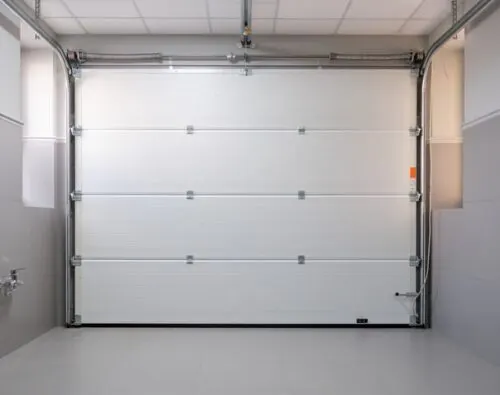
Garage Door Maintenance Checklist for Winter in Worcester, MA
Worcester winters are hard on garage doors, and the pattern repeats every year: the first hard freeze produces a wave of broken springs, frozen seals and strained openers. The checks below take about half an hour, they cost almost nothing, and they are the difference between a door that opens on the coldest morning and one that fails when the car is needed most.
Hours: Mon–Fri 7:00 AM–10:00 PM ET · Sat 8:00 AM–10:00 PM ET · Sun 7:00 AM–9:00 PM ET
Call now for garage door repair
Describe the door and the symptoms, and the visit will confirm what the door needs before any work starts.
Call NowServing Worcester and Worcester County, Massachusetts.
In short
Winter garage door maintenance means checking the bottom seal, lubricating the springs, hinges and roller bearings, inspecting the springs and cables for rust and wear, testing the door's balance by hand, testing the safety reverse and sensors, and replacing remote batteries. Done before the cold season, it prevents the most common winter failures.
The bottom seal: the first check
The bottom seal is the rubber strip along the bottom of the door, and it is the part that decides whether the door freezes to the floor. A seal that is cracked, flattened or torn lets meltwater in, and the water freezes overnight and glues the door to the concrete. In the morning the opener strains, the force limit trips, and the door does not move — or the seal tears when the door is forced. Check the seal before winter: run a hand along it, look for cracks and flat spots, and replace it if it is worn. A thin application of proper lubricant on the seal in late autumn stops the rubber bonding to ice, and keeping the garage floor clear of standing water and salt helps too. The side seals and the top seal deserve the same look: a door that seals on all four sides keeps wind, snowmelt and rain out, and a door that does not is a door that rusts from the inside.
Springs, cables and balance
Look at the torsion spring above the door for rust along the coils and any gap in them, and at the extension springs along the tracks for uneven stretch and missing safety cables. Look at the lift cables for fraying, rust and uneven winding on the drums. Then the balance test: disconnect the opener, lift the door to waist height, and let go. A balanced door stays put; a door that drifts down is under-sprung and a door that drifts up is over-sprung. A door that feels heavier than it used to has lost spring tension, and a spring near the end of its life is most likely to snap on the first hard freeze. Lubricate the spring coils, the hinges and the roller bearings with proper lubricant — a few times a year, and before winter — and keep the tracks clean and dry. The tracks should never be lubricated, because oil on the track makes the rollers slip and attracts dust.
Opener, sensors and the safety reverse
Test the safety reverse: place an object in the door's path and confirm the door reverses on contact. Check that both safety sensors near the floor show a steady light, that the lenses are clean, and that nothing blocks the beam. Low winter sun shining directly into the receiving sensor can overwhelm the beam, and a small shade over the sensor fixes it. Check the opener's force setting — it should be the minimum that moves the door reliably, because a force setting turned too high defeats the safety reverse. Replace the remote and keypad batteries before they go weak in the cold, and check that the wall button, remote and keypad all work. Run the door through several full cycles and listen: a new grind, squeak or jerk is information, and the right time to act on it is before winter, not during it.
The habits that carry through winter
Once the cold season starts, the habits are simple: keep the garage floor clear of standing water and salt, keep the tracks clear of ice, and do not force the door if it will not move — check the bottom seal for ice first, and clear it gently before trying the opener again. Do not turn the opener's force setting up to push a stiff door past a problem; a door that needs more force is a door that needs a repair. And when the door starts behaving differently — slower, noisier, heavier — treat the change as information. The winter checklist is half an hour, once a year, and it is the simplest maintenance a garage door gets. The doors that fail in January are usually the ones that were not looked at in November.
The spring check: the one that matters most
Of all the checks on the winter list, the spring check matters most, because the spring is the part most likely to fail on the first hard freeze — and the part whose failure traps the car or leaves the garage open. The check takes a minute: stand inside the garage and look at the torsion spring above the door for rust along the coils, especially at the ends where the spring meets the cone, and for any gap in the coils, which means the spring has already broken. On an extension-spring door, look along the tracks for a spring that stretches further on one side than the other, or hangs unevenly, and check that the safety cable runs through the centre of each spring. Then the balance test: disconnect the opener, lift the door to waist height, and let go. A balanced door stays put; a door that drifts down is under-sprung and a door that drifts up is over-sprung. A door that feels heavier than it used to has lost spring tension, and a spring that groans or squeaks through its travel is telling the household that the coils are dry, rusted or fatigued. A spring that shows any of these signs before winter should be replaced on a planned visit, not left to snap on the coldest morning — because a planned replacement is a calm visit, and a broken spring is an emergency.
Related services and guides
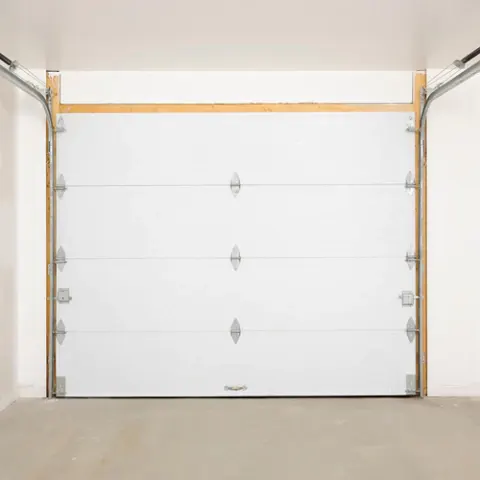
How To Keep a Garage Door Working in Winter
How to keep a garage door working in winter in Worcester, MA. Seals, lubrication, balance and the habits that prevent th
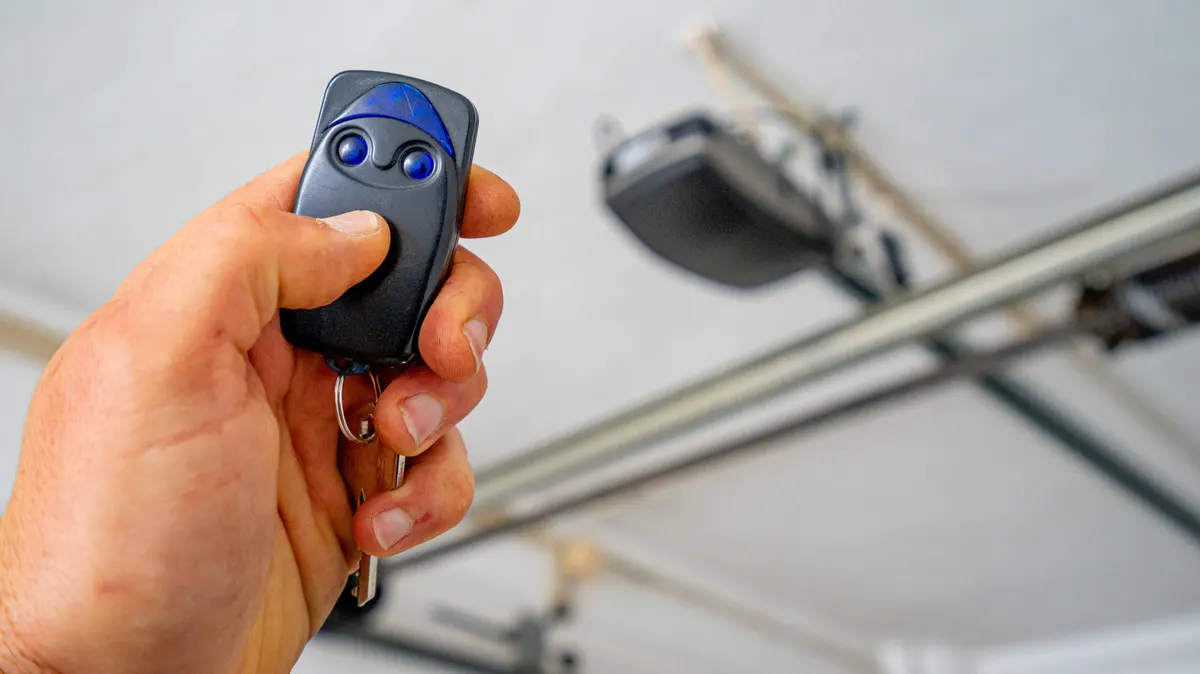
How Often Should a Garage Door Be Serviced?
How often should a garage door be serviced in Worcester, MA? The twice-yearly rhythm, what each check covers, and the si
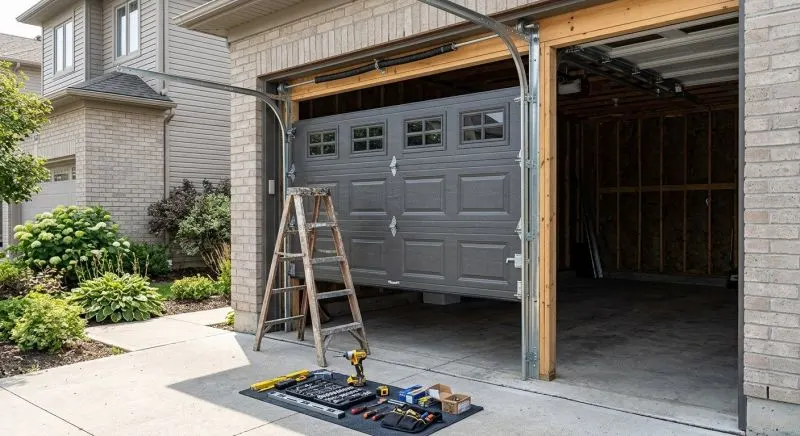
Garage Door Won't Open
Garage door won't open in Worcester, MA? Learn the checks that separate a door problem from an opener problem, and what
Broken Garage Door Spring Repair
Broken garage door spring repair in Worcester, MA. Learn the signs of a snapped torsion or extension spring, why the doo
Garage Door Sensor Repair
Garage door sensor repair in Worcester, MA for safety sensors that stop the door from closing. Alignment, wiring and ope
Frequently asked questions
Check the bottom seal, lubricate the springs, hinges and roller bearings, inspect the springs and cables for rust and wear, test the door's balance by hand, test the safety reverse and sensors, and replace the remote batteries.
Meltwater runs under the bottom seal during the day and freezes overnight, gluing the door to the concrete. A bottom seal in good shape keeps the water out, and a thin application of proper lubricant on the seal stops the rubber bonding to ice.
No. The tracks should be kept clean and dry — oil on the track makes the rollers slip and attracts dust. Lubricate the spring coils, the hinges and the roller bearings, not the tracks.
You cannot prevent a spring from breaking forever — it is a wear part — but lubrication, a balance check, and replacing a spring that shows rust or loss of tension before winter will keep it from breaking on the coldest morning.
Call now for garage door repair in Worcester, MA
Describe the door and the symptoms, and the visit will confirm what the door needs before any work starts.
Call NowContact
Call to describe the door and the symptoms, and the visit will confirm what the door needs before any work starts. Hours: Monday to Friday 7:00 AM to 10:00 PM ET, Saturday 8:00 AM to 10:00 PM ET, Sunday 7:00 AM to 9:00 PM ET.
hello@worcestergaragedoorpros.com · Serving Worcester and Worcester County, Massachusetts.
Call Now